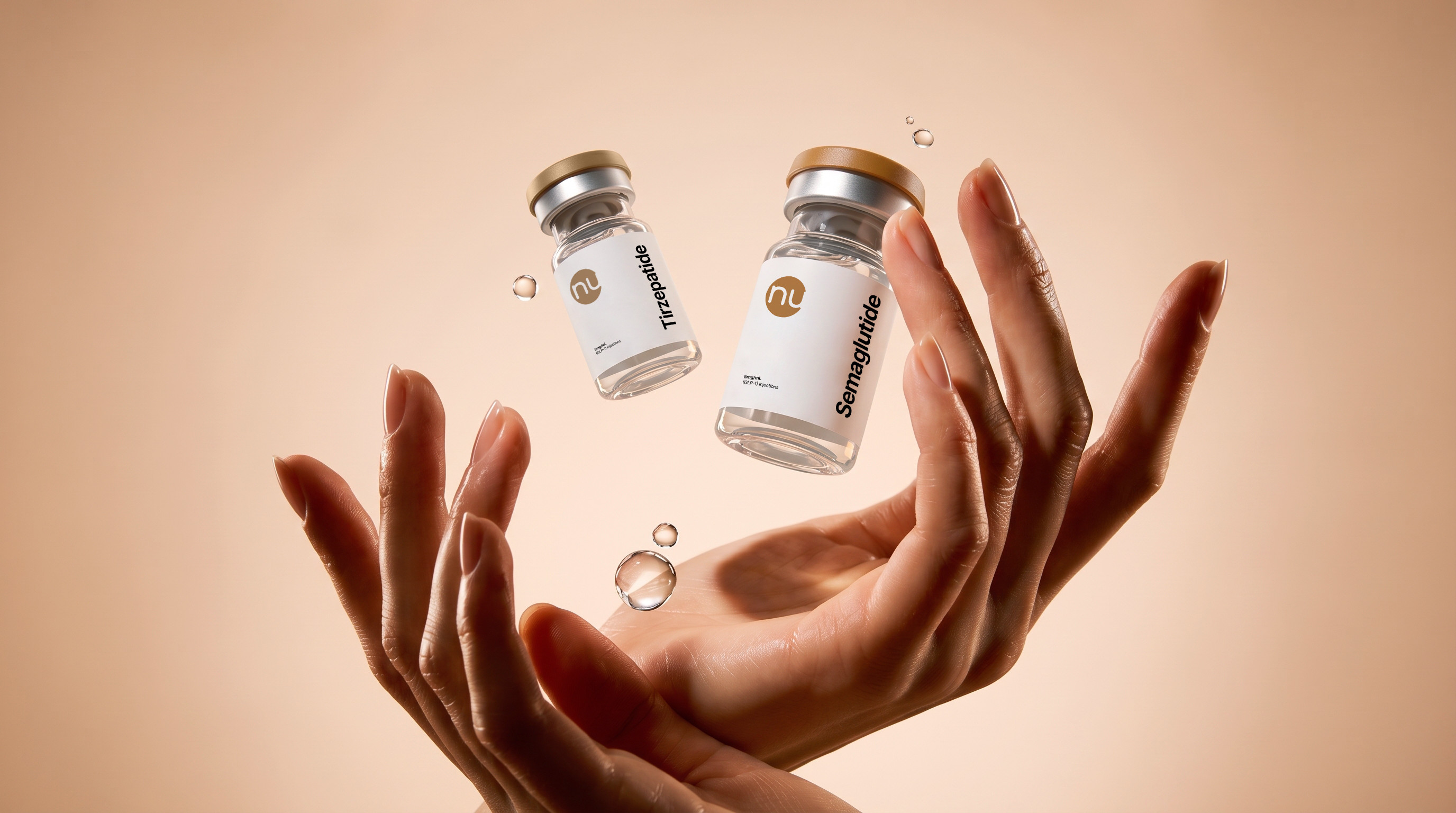

The Neuroendocrinology of Stress and Adiposity: How Cortisol Influences Metabolic Weight Gain

The Neuroendocrinology of Stress and Adiposity: How Cortisol Influences Metabolic Weight Gain
Chronic psychological and systemic stress represents one of the most pervasive, under-addressed drivers of metabolic dysfunction and stubborn weight retention. While traditional weight-loss paradigms focus almost entirely on caloric math, human endocrinology dictates that hormones govern how energy is partitioned, utilized, or stored.
When psychological strain, professional burnout, or sleep deprivation become persistent, the body's acute survival mechanisms transform into chronic metabolic liabilities. Understanding the direct biochemical pathways connecting the hypothalamic-pituitary-adrenal (HPA) axis, elevated glucocorticoids, and central adiposity reveals why chronic stress makes sustainable weight management exceptionally difficult.
The Endocrinology of the Stress Response: Acute vs. Chronic
The human stress response evolved as a short-term survival mechanism coordinated by the autonomic nervous system:
-
The Acute Alarm Phase: Immediate physical threats trigger the sympathetic-adrenal-medullary (SAM) axis, releasing catecholamines (epinephrine and norepinephrine). This suppresses immediate appetite, elevates heart rate, and mobilizes hepatic glycogen for rapid skeletal muscle utilization.
-
The Chronic Resistance Phase: When stress is persistent and unresolved, the HPA axis remains chronically activated. The hypothalamus releases corticotropin-releasing hormone (CRH), prompting the pituitary to secrete adrenocorticotropic hormone (ACTH), which stimulates sustained cortisol secretion from the adrenal cortex.
Unlike acute catecholamines, sustained elevations in circulating cortisol stimulate appetite, impair peripheral glucose tolerance, and alter regional fat distribution.
Mechanisms Linking Chronic Cortisol to Weight Gain
1. Selective Accumulation of Central Visceral Adiposity
Adipose tissue is not uniform in its receptor density. Visceral adipocytes—the metabolically active fat surrounding intra-abdominal organs—possess a significantly higher density of glucocorticoid receptors (GR) and elevated activity of the enzyme 11β-hydroxysteroid dehydrogenase type 1 (11β-HSD1), which converts inactive cortisone to active cortisol locally. Sustained systemic cortisol selectively directs excess circulating free fatty acids and glucose into deep abdominal visceral depots.
2. Induction of Peripheral Insulin Resistance
Cortisol functions as a catabolic counter-regulatory hormone designed to elevate circulating fuel reserves. It actively suppresses insulin-mediated glucose uptake in skeletal muscle by interfering with GLUT4 transporter translocation. To overcome this peripheral resistance, pancreatic beta cells oversecrete insulin. The resulting chronic hyperinsulinemia strongly inhibits hormone-sensitive lipase (HSL), halting adipose lipolysis and locking energy into fat stores.
3. Hedonic Appetite Stimulation and Neurotransmitter Depletion
Chronic glucocorticoid exposure alters central reward pathways. Cortisol stimulates orexigenic neuropeptide Y (NPY) and down-regulates hypothalamic sensitivity to leptin (the primary satiety hormone). Simultaneously, prolonged stress depletes central serotonin and dopamine reserves. This drives powerful hedonic cravings for ultra-processed "comfort foods" rich in refined starches and added sugars, which temporarily elevate brain serotonin but exacerbate glycemic instability.
Evidence-Based Strategies for Stress and Metabolic Recovery
-
Establish Non-Food Behavioral Decompression: Replace automatic snacking rituals with activities that enhance parasympathetic vagal tone, such as progressive muscle relaxation, deliberate diaphragmatic breathwork, or restorative nature walks.
-
Curate Your Nutritional Micro-Environment: Eliminate hyper-palatable, ultra-processed convenience foods from direct sight at home and work. Reducing environmental friction around whole foods prevents impulsive eating during high-stress episodes.
-
Anchor Meals Around High-Quality Protein and Viscous Fiber: Consuming 25 to 30 grams of bioavailable protein alongside fibrous vegetables slows gastric transit and moderates postprandial glucose curves, preventing the reactive hypoglycemic dips that intensify stress-related cravings.
-
Incorporate Targeted Adaptogenic Support and Micronutrients: Replenish intracellular micronutrients depleted during chronic stress—particularly elemental magnesium, zinc, and B-complex vitamins—to support adrenal enzyme pathways and central neurotransmitter synthesis.
When Lifestyle Interventions Encounter Endocrine Exhaustion
Implementing stress-reduction techniques and mindful eating habits provides an essential behavioral foundation. However, when central abdominal adiposity, persistent weight retention, and profound metabolic fatigue persist despite disciplined lifestyle choices, deeper endocrine adaptations—such as clinical HPA-axis dysregulation, advanced insulin resistance, or thyroid slowdown—may be resisting your efforts.
When behavioral adjustments reach a physiological plateau, clinical diagnostic evaluation provides actionable answers. Explore Nu Image Medical Weight Loss Programs to learn how comprehensive metabolic testing, licensed telehealth consultations, and medically supervised clinical protocols work synergistically to restore neuroendocrine balance and long-term metabolic health.
Disclaimer: This content is provided solely for educational and informational purposes and does not constitute medical advice, diagnosis, or treatment. It is not intended to replace personalized consultation with a licensed healthcare provider. Always consult your physician before initiating significant modifications to your diet, exercise, or health regimen.
This article is for informational purposes only and does not constitute medical advice. The information contained herein is not a substitute for and should never be relied upon for professional medical advice. Always talk to your physician about the risks and benefits of any treatment. Nu Image Medical may not offer the medications or services mentioned in this article.