
Menu
Weight loss
Hormones
Sex
EXPLORE
MEET NU IMAGE MEDICAL
TREATMENTS
MEET NU IMAGE MEDICAL
TREATMENTS
MEET NU IMAGE MEDICAL
Discover the WAYT-less®
Diet E-Book
A complete guide designed to support your nutrition with simple meal plans and easy-to-follow recipes. Inside, you'll find practical ideas to structure your daily meals and stay consistent with your health goals. Whether you're just getting started or refining your routine, this e-book makes healthy eating more accessible and enjoyable.

Please enter your email to
receive the download link.

What to eat during the diet?
This guide provides simple nutrition directions to follow during the program. The goal is to support your daily energy needs while staying within the recommended macro limits. Focus on whole, unprocessed foods and consistent portions to maintain structure throughout the diet.
Macro targets
Carbs: 30 - 40 grams
Protein: 100 grams
Fat: 9 grams
Total Calories: Up to 800 calories.
Net carbs
Total Carbs - Fiber = Net Carbs
The term "net carbs" simply refers to carbs that are absorbed by the body. Whole foods contain naturally occurring fiber. Therefore, you can simply subtract the fiber from the total carbs to get the net carbs.
Example: 1 medium avocado has 17.1 grams of total carbs. 13.5 grams of which is fiber. 17.1 grams - 13.5 grams = 3.6 grams of net carbs.
Proteins
Your daily protein goal is not the same as your daily lean meat goal.
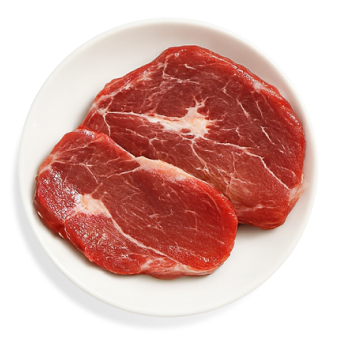
How much lean meat should you consume? 1 ounce of lean meat has about 7 grams of protein. 140 grams of protein divided by 7 is 20, so you should eat 20 ounces of lean meat per day.
Keep in mind that cooked meat weighs less than raw meat. For example, 4 ounces of raw chicken breast shrinks down to 3 ounces once it's cooked, so for best results, weigh the meat raw.
Loading days
You should eat between 1,500-2,000 calories per day for the first two days. The best types of food to consume on loading days are high-fat foods while keeping carbs to a minimum.
Examples: Steak, beef, pork, salmon, cheese, olives, olive oil, avocado, nuts, nut butters, butter, dairy, and seeds.
Get Started
Suggested foods
Proteins
- → Egg Whites
- → Chicken breast
- → Turkey breast
- → Bison
- → Lean ground beef or steak
- → Beef round eye
- → All white fish
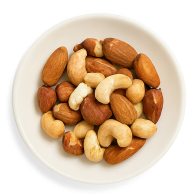
Snacks
- → Nuts
- → Flax seeds
- → Melba toast

Fruits
- → Green apples
- → Blackberries
- → Blueberries
- → Strawberries
- → Grapefruits
- → Oranges
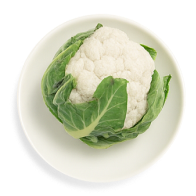
Vegetables
- → Asparagus
- → Artichoke
- → Broccoli
- → Cabbage
- → Cauliflower
- → Celery
- → Cucumber
- → Zucchini
- → Lettuce
- → Peppers
- → Tomatoes
- → Onions
- → Spinach
- → Summer squash
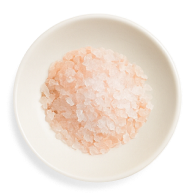
Condiments
- → Vinegar
- → Lemon
- → Salt
- → Pepper
- → Paprika
- → Rosemary
- → Basil
- → Parsley
- → Thyme
- → Cilantro
- → Saffron
- → Ginger
- → Coconut oil
- → Garlic powder
- → Bay leaf
- → Oregano
- → Red chili pepper