Human Growth Hormone and Cellular Vitality: Somatotropic Signaling, Secretagogues, and Endocrine Optimization

Human Growth Hormone and Cellular Vitality: Somatotropic Signaling, Secretagogues, and Endocrine Optimization
Human growth hormone (HGH, or somatotropin) serves as a primary endocrine driver of cellular repair, tissue regeneration, lipolysis, and protein synthesis throughout adult life. Synthesized and secreted by somatotropic cells within the anterior pituitary gland, HGH coordinates systemic metabolic homeostasis and supports functional vitality.
Beginning in early adulthood, endogenous secretion of growth hormone undergoes a progressive, steady decline—often termed the somatopause. Decreased circulating HGH and its downstream mediator, insulin-like growth factor 1 (IGF-1), manifest clinically as reduced exercise capacity, slower physical recovery, gradual visceral adiposity accumulation, and disrupted sleep architecture. Understanding how the somatotropic axis operates and where physiological interventions meet clinical therapies clarifies how to support long-term metabolic vitality.
The Endocrinology of the Somatotropic Axis
Growth hormone release is not continuous; it occurs in rhythmic, episodic pulses governed by balanced hypothalamic feedback:
-
Growth Hormone-Releasing Hormone (GHRH): Secreted by the arcuate nucleus of the hypothalamus, GHRH binds to GHRH receptors on pituitary somatotropes, triggering intracellular cyclic AMP (cAMP) accumulation and stimulating HGH transcription and exocytosis.
-
Somatostatinergic Inhibition: Somatostatin (growth hormone-inhibiting hormone) acts as the counter-regulatory brake. When systemic IGF-1 or free fatty acids rise, somatostatin secretion increases, suppressing pituitary output.
-
The Ghrelin Receptor Axis: The endogenous gastric hormone ghrelin acts centrally on the growth hormone secretagogue receptor (GHSR-1a), potentiating GHRH-mediated pituitary release independent of caloric intake.
-
Hepatic IGF-1 Generation: Circulating HGH binds to hepatic growth hormone receptors, stimulating the synthesis and systemic release of insulin-like growth factor 1 (IGF-1). IGF-1 mediates the anabolic, tissue-building, and neuroprotective actions of HGH across peripheral organs.
Physiological Modulators of Endogenous Growth Hormone Pulsing
Targeted lifestyle behaviors directly influence natural somatotropic amplitude:
1. Slow-Wave Sleep Architecture
Over 50% to 70% of total daily growth hormone secretion occurs during slow-wave sleep (Stage 3 non-REM). Disruptions in deep sleep architecture or irregular sleep schedules blunt this nocturnal neuroendocrine surge, starving connective tissues of essential nocturnal repair signaling.
2. High-Threshold Anaerobic Exercise
High-intensity interval training (HIIT) and heavy compound resistance training trigger a potent exercise-induced growth hormone response (EIGH). Muscle mechanoreceptor activation, elevated core temperature, and systemic lactate accumulation stimulate hypothalamic GHRH pulsing while temporarily suppressing somatostatin.
3. Management of Hyperinsulinemia and Nocturnal Glycemia
Growth hormone and insulin operate in physiological opposition. High circulating insulin and elevated blood glucose strongly suppress pituitary HGH release. Consuming refined carbohydrates right before sleep blunts the nocturnal somatotropin pulse by maintaining insulin-mediated suppression of somatotrope exocytosis.
4. Intermittent Caloric Restriction
Short-term fasting periods lower baseline circulating insulin and elevate endogenous ghrelin concentrations. This signaling shift promotes somatotropic receptor sensitivity and facilitates fatty acid mobilization for cellular energy production.
The Boundaries of Lifestyle Interventions vs. Clinical Secretagogues
While optimizing sleep hygiene, avoiding late-night refined sugars, and engaging in resistance training support baseline endocrine function, these lifestyle measures encounter a biological ceiling when biological somatotrope responsiveness declines with age.
To overcome age-related pituitary desensitization without the risks of supra-physiological exogenous synthetic HGH (such as fluid retention, insulin resistance, or shut-down of endogenous pathways), modern clinical medicine utilizes targeted peptide secretagogues:
-
GHRH Analogs (e.g., Sermorelin, CJC-1295): Bio-engineered peptides that mimic native GHRH, selectively prompting the anterior pituitary to produce and release its own natural growth hormone in a physiological, pulsatile rhythm.
-
Selective Ghrelin Mimetics (e.g., Ipamorelin): Highly selective GHSR-1a agonists that trigger clean pituitary HGH release without elevating circulating cortisol, prolactin, or appetite.
When Lifestyle Habits Encounter Somatotropic Limits
Maintaining disciplined resistance training, prioritizing restorative deep sleep, and optimizing metabolic health establish the foundation for everyday recovery. However, when chronic lethargy, stubborn loss of lean tissue, joint stiffness, and slow physical recovery persist despite healthy daily habits, the somatotropic axis may require physician-guided clinical evaluation.
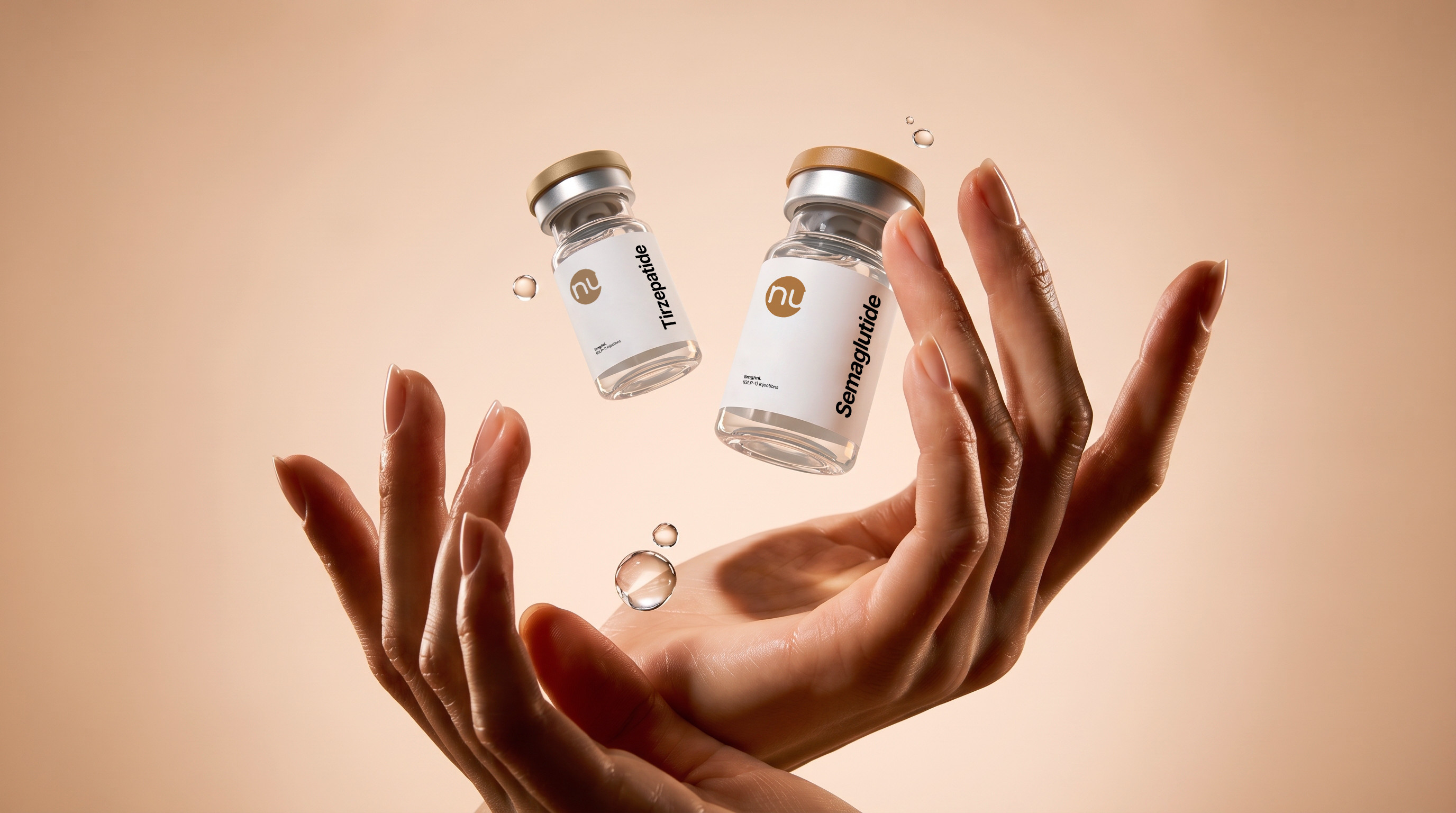
When conventional lifestyle efforts reach an endocrine plateau, specialized peptide protocols provide targeted restoration. Explore Nu Image Medical Peptides Programs to discover how comprehensive biomarker evaluations, licensed telehealth consultations, and physician-supervised protocols work synergistically to restore growth hormone signaling, enhance cellular repair, and revitalize long-term vitality.
Disclaimer: This content is provided solely for educational and informational purposes and does not constitute medical advice, diagnosis, or treatment. It is not intended to replace personalized consultation with a licensed healthcare provider. Peptide therapies and secretagogues are prescription medications requiring diagnostic evaluation and ongoing medical oversight. Always consult your physician before initiating significant modifications to your health regimen or medications.
This article is for informational purposes only and does not constitute medical advice. The information contained herein is not a substitute for and should never be relied upon for professional medical advice. Always talk to your physician about the risks and benefits of any treatment. Nu Image Medical may not offer the medications or services mentioned in this article.