
8 Nutrient-Rich Foods That Support Focus, Memory, and Cognitive Health

8 Nutrient-Rich Foods That Support Focus, Memory, and Cognitive Vitality
Maintaining sharp focus and steady mental energy requires more than just quality rest; it relies heavily on consistent nutritional support. The brain is an energy-intensive organ, consuming roughly 20 percent of the body's baseline calories. Supplying it with high-quality micronutrients, polyphenols, and essential fatty acids helps protect cellular structures from oxidative stress while promoting balanced neurotransmitter activity.
Integrating whole, nutrient-dense foods into your routine provides the foundational building blocks required for daytime alertness and long-term cognitive wellness.
The Brain-Nutrition Connection
Dietary patterns high in refined carbohydrates and trans fats can contribute to post-meal sluggishness and brain fog due to rapid blood glucose fluctuations. In contrast, diets rich in dietary antioxidants and balanced fats help support cerebral blood flow and preserve the integrity of neuronal membranes.
1. Blueberries (Flavonoids & Anthocyanins)
Blueberries are packed with anthocyanins, a family of plant polyphenols known for their antioxidant activity. Studies indicate that regular consumption of dark berries supports cellular communication within the hippocampus—the primary region associated with memory consolidation—while neutralizing oxidative free radicals.
2. Green Tea (L-Theanine & Catechins)
Green tea provides a balanced synergy between moderate caffeine and L-theanine, an amino acid that supports alpha-wave brain activity. This combination promotes smooth, sustained concentration and calm alertness without the acute jitters or sudden crashes associated with sugary energy drinks.
3. Fatty Cold-Water Fish (DHA & EPA Omega-3s)
Cold-water fish such as wild salmon, mackerel, and sardines are premier dietary sources of docosahexaenoic acid (DHA). DHA is a primary structural component of cerebral cortex tissue. Adequate intake of marine omega-3 fatty acids supports synaptic fluidity and cellular signaling throughout the central nervous system.
4. Turmeric with Black Pepper (Curcuminoids)
Curcumin, the primary bioactive compound in turmeric root, possesses notable neuroprotective and antioxidant properties. Because curcumin has low native bioavailability, combining it with black pepper (piperine) enhances its absorption, helping support natural inflammatory balance in neural tissue.
5. Walnuts (Alpha-Linolenic Acid & Polyphenols)
Walnuts deliver a concentrated matrix of plant-based omega-3 fatty acids (ALA), vitamin E, and polyphenolic compounds. These nutrients assist in protecting lipid membranes from oxidative degradation, making a modest daily serving a convenient, shelf-stable snack for workday focus.
6. Cruciferous Vegetables & Broccoli (Choline & Vitamin K)
Broccoli and dark leafy greens supply vitamin K, which is essential for synthesizing sphingolipids—a critical class of fats densely packed into neural cell walls. Additionally, cruciferous vegetables provide trace choline, a precursor needed for acetylcholine, the neurotransmitter governing attention and memory recall.
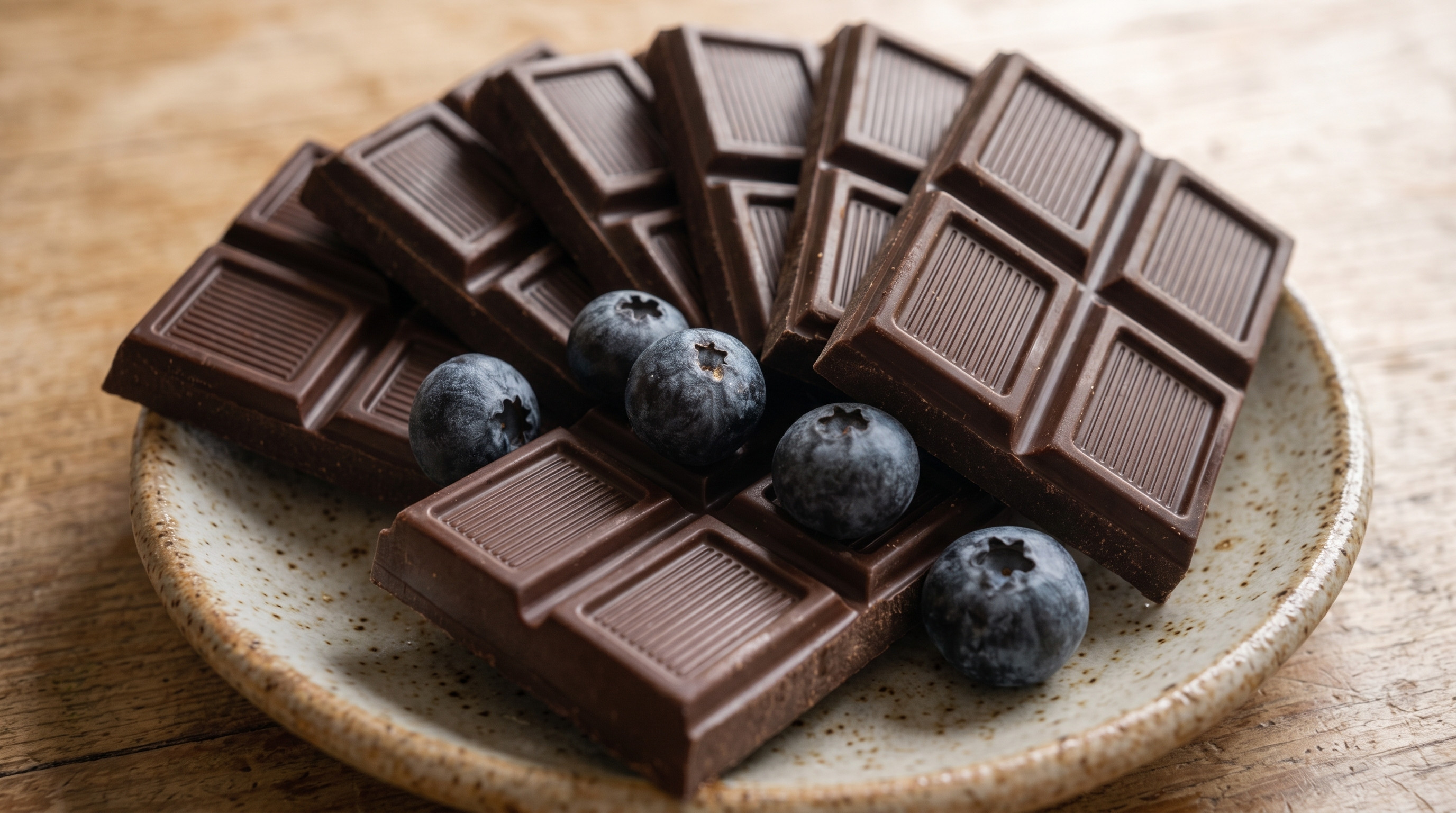
7. High-Cacao Dark Chocolate (Flavanols)
Dark chocolate containing 70% or higher cocoa content delivers concentrated cacao flavanols. These plant compounds stimulate microvascular circulation, helping support oxygen and nutrient delivery to brain tissue while providing modest amounts of natural caffeine and theobromine.
8. Avocados (Monounsaturated Fatty Acids)
Avocados provide heart-healthy monounsaturated fats that support healthy endothelial function and steady arterial blood circulation. They also supply potassium, lutein, and dietary fiber, which work collectively to sustain even energy levels throughout mentally demanding tasks.
When Lifestyle Adjustments Require Clinical Support
While cognitive-focused nutrition forms an indispensable daily baseline, ongoing mental fatigue, severe brain fog, or diminished executive function can frequently indicate underlying endocrine imbalances, thyroid shifts, or age-related hormone decline that dietary tweaks cannot resolve alone.
When lifestyle habits reach a plateau, targeted diagnostic evaluation offers clarity. Explore Nu Image Medical Wellness & Hormone Protocols to see how comprehensive clinical assessments, peptide therapies, and licensed telehealth oversight work together to support sustained vitality and peak mental performance.
*This article is intended strictly for educational and informational purposes and does not constitute formal medical advice, diagnosis, or treatment. Dietary adjustments cannot prevent, treat, or cure neurological disorders. Always consult a qualified healthcare provider regarding persistent cognitive symptoms or before initiating new supplementation protocols.
This article is for informational purposes only and does not constitute medical advice. The information contained herein is not a substitute for and should never be relied upon for professional medical advice. Always talk to your physician about the risks and benefits of any treatment. Nu Image Medical may not offer the medications or services mentioned in this article.