
How to Manage Nighttime Overeating: Clinical Strategies for Evening Satiety

How to Manage Nighttime Overeating: Clinical Strategies for Evening Satiety
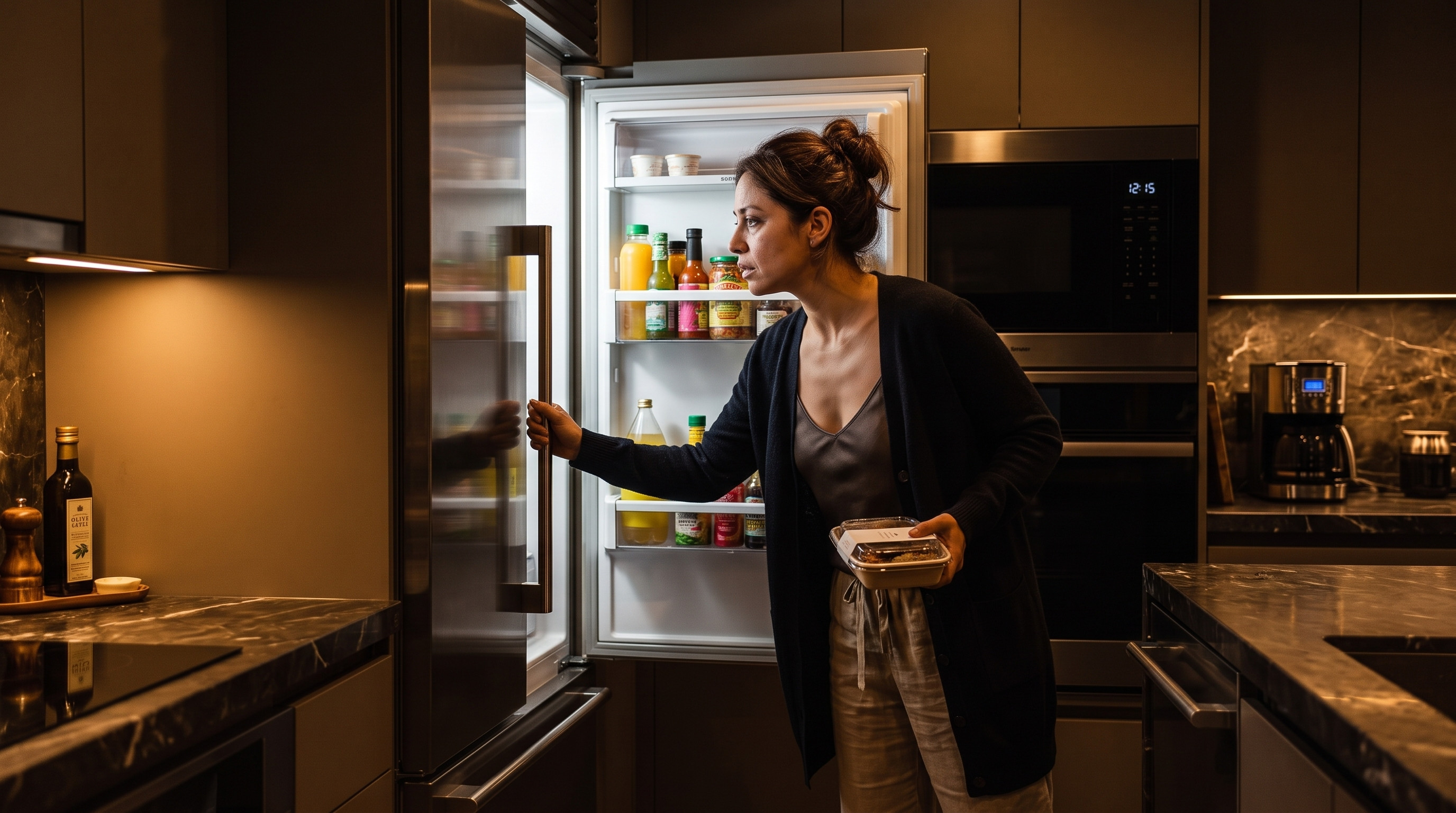
Recurring episodes of evening overeating are among the most persistent behavioral and metabolic challenges. For many individuals, entering the kitchen late at night is not a simple failure of discipline; it is frequently the direct biological consequence of daytime under-eating, elevated evening stress, or circadian hormonal disruptions.
Understanding the neuroendocrine mechanisms behind nighttime cravings allows you to address the root drivers of late-day appetite and build sustainable routines that support long-term metabolic wellness.
The Neurobiology of Evening Hunger
Appetite regulation follows an internal circadian rhythm. In the evening, core body temperature begins to decline, while hormones like melatonin rise and cortisol typically tapers.
However, if daily caloric or protein intake was insufficient, the brain signals an urgent biological need for quick energy substrates—primarily fast-digesting carbohydrates and fats. Additionally, chronic daytime stress keeps cortisol elevated into the evening, amplifying hedonic (reward-driven) food-seeking behavior.
1. Ensure Adequate Daytime Energy and Protein Intake
The most effective way to eliminate nighttime food cravings is to properly nourish your body throughout the day. Restricting food excessively during working hours frequently backfires, creating a severe caloric deficit that triggers compensatory eating at night. Structuring balanced meals around high-quality protein (such as poultry, fish, eggs, or legumes) and complex carbohydrates stabilizes blood glucose and maintains steady satiety peptides.
2. Build Balanced Evening Meals with Healthy Fats and Fiber
Your final meal of the day should provide sustained digestion. Pairing lean proteins with fibrous green vegetables and healthy fats (such as extra virgin olive oil or avocado) slows gastric emptying. This deliberate macronutrient balance blunts postprandial glucose surges and prevents sharp late-night drops in blood sugar.
3. Time Dinner Strategically Before Sleep
Consuming dinner approximately three to four hours prior to bedtime provides ample time for primary gastric digestion, minimizing nocturnal gastroesophageal reflux. If dinner is eaten too early (such as five or six hours before sleep), physiological hunger may genuinely recur before bedtime.
4. Hydrate Intentionally Throughout the Evening
Thirst signals and hunger cues share overlapping neural pathways within the hypothalamus. Mild evening dehydration can easily be misinterpreted as a craving for food. Drinking water or enjoying a warm, unsweetened cup of herbal tea (such as chamomile or peppermint) provides calming oral sensory satisfaction and proper fluid balance.
5. Separate Stress Decompression from Eating
For many, the kitchen serves as an automatic decompression zone after a demanding day. If eating has become a coping mechanism for emotional fatigue or boredom, introduce non-caloric rituals to mark the end of the day—such as a warm shower, light stretching, reading, or breathwork—to help down-regulate the nervous system without food.
6. Optimize Circadian Rhythms and Sleep Hygiene
Sleep deprivation alters the biological balance of appetite hormones: it elevates circulating ghrelin (the hunger-stimulating hormone) and decreases leptin (the fullness hormone). Going to bed at a consistent time and aiming for seven to eight hours of restorative sleep directly protects against late-night metabolic cravings.
7. Differentiate Habitual Snacking from Clinical Binge Eating
Occasional evening overeating is widespread and often resolves with structural habit changes. However, if episodes involve consuming unusually large amounts of food in short periods accompanied by feelings of loss of control, guilt, or distress, it may indicate Binge Eating Disorder (BED) or Night Eating Syndrome (NES), which benefit from comprehensive psychological and medical support.
When Appetite Dysregulation Requires Medical Evaluation
While practical behavioral adjustments create a critical daily baseline, persistent and uncontrollable hunger signals can often be driven by underlying insulin resistance, leptin signaling resistance, or endocrine variations that lifestyle modifications alone cannot fully resolve.
When daily habits reach a plateau, clinical medical evaluation provides personalized clarity. Explore Nu Image Medical Weight Loss Programs to learn how comprehensive metabolic testing, licensed telehealth consultations, and medically supervised therapies work synergistically to restore metabolic balance.
Disclaimer: This content is provided solely for educational and informational purposes and does not constitute medical advice, diagnosis, or treatment. It is not intended to replace consultation with a qualified healthcare professional or mental health specialist. Always consult a licensed provider regarding chronic eating concerns or before making substantial changes to your health regimen.
This article is for informational purposes only and does not constitute medical advice. The information contained herein is not a substitute for and should never be relied upon for professional medical advice. Always talk to your physician about the risks and benefits of any treatment. Nu Image Medical may not offer the medications or services mentioned in this article.