7 Nutrient-Dense Foods That Support Stress Resilience and Metabolic Balance

7 Nutrient-Dense Foods That Support Stress Resilience and Metabolic Balance
Chronic psychological and environmental stress places heavy biochemical demands on the human body. When stress becomes persistent, the hypothalamic-pituitary-adrenal (HPA) axis remains continuously activated, causing sustained elevations in circulating cortisol.
Elevated cortisol levels can blunt peripheral insulin sensitivity, disrupt natural sleep architecture, and stimulate hedonic appetite centers in the brain—frequently driving intense cravings for refined starches and added sugars. While no single food can instantly eliminate psychological stress, integrating nutrient-dense whole foods rich in essential micronutrients, healthy fatty acids, and bioflavonoids supports neurotransmitter synthesis and cushions the neuroendocrine system against chronic exhaustion.
The Endocrinology of Nutritional Stress Resilience
Under prolonged stress, the body depletes intracellular micronutrient stores at an accelerated rate. Key cofactors—such as magnesium, B-complex vitamins, and essential amino acids—are required for the enzymatic conversion of neurotransmitters like serotonin, gamma-aminobutyric acid (GABA), and dopamine.
Selecting whole foods that replenish these metabolic cofactors helps preserve parasympathetic tone, blunts acute cortisol spikes, and supports long-term metabolic vitality.
1. Lean Turkey Breast (Tryptophan and Bioavailable Amino Acids)
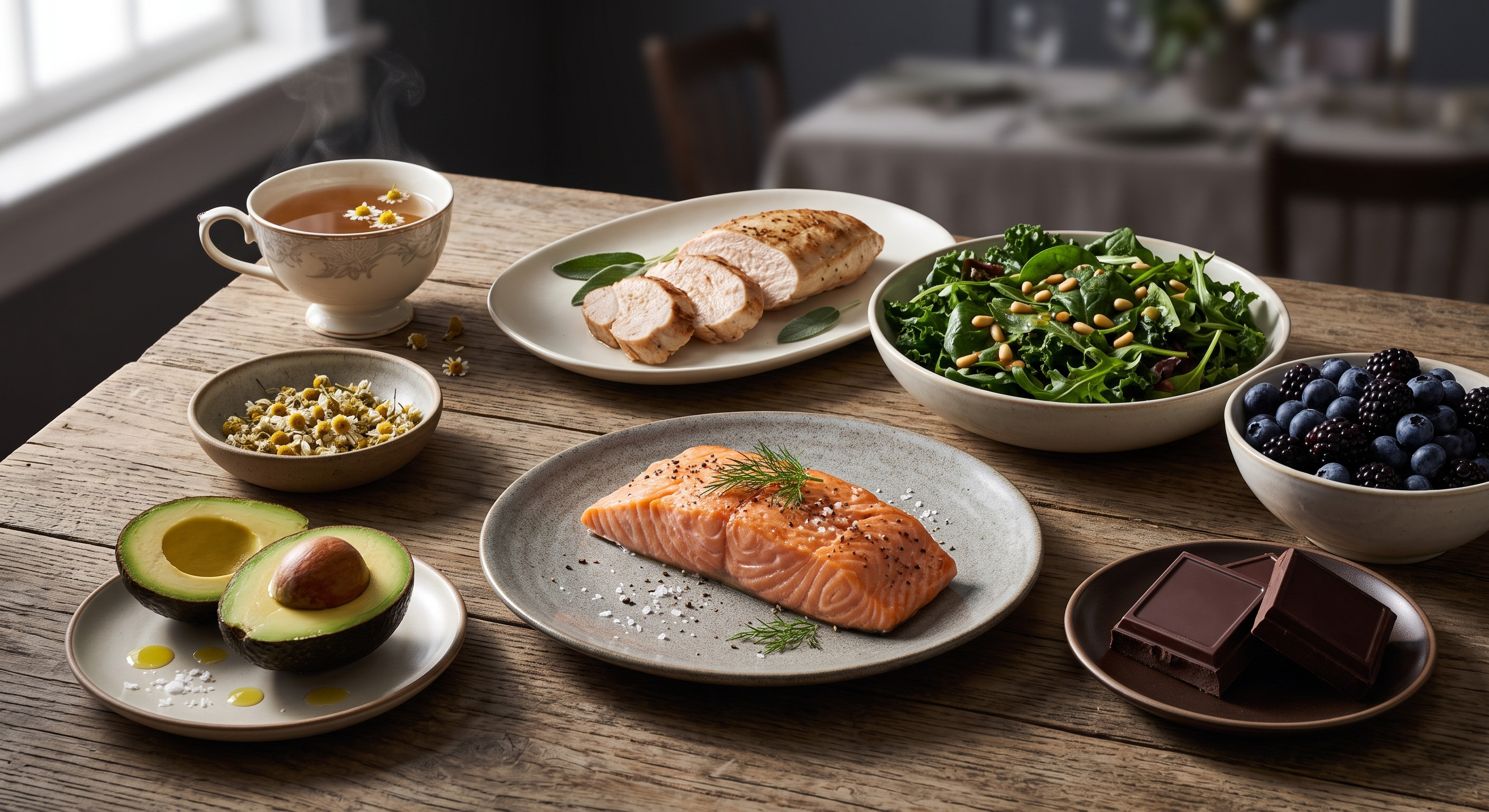
Turkey breast is an outstanding source of complete protein and L-tryptophan, an essential amino acid that serves as the obligate biochemical precursor for serotonin (the neurotransmitter governing mood and satiety) and melatonin (which regulates circadian sleep cycles). Pairing clean, high-protein poultry with complex carbohydrates facilitates tryptophan transit across the blood-brain barrier, supporting emotional balance without inducing sharp glycemic spikes.
2. High-Flavanol Dark Chocolate (Polyphenols and Endothelial Support)
High-percentage dark chocolate (70% cocoa or higher) is concentrated in flavanols, epicatechin, and trace minerals. Clinical trials indicate that cocoa polyphenols support vascular endothelial function and promote nitric oxide bioavailability. Consuming a measured square of low-sugar dark chocolate provides sensory indulgence and bioactive polyphenols that support cardiovascular resilience under stress.
3. Brewed Chamomile Tea (Apigenin and GABA Receptor Affinity)
Chamomile is naturally caffeine-free and rich in the bioflavonoid apigenin. Clinical investigations demonstrate that apigenin binds to specific benzodiazepine and GABA receptors in the central nervous system, promoting neuromuscular relaxation and parasympathetic activation. Enjoying hot brewed chamomile tea in the evening establishes a calming pre-sleep ritual that protects restorative slow-wave rest.
4. Dark Leafy Greens (Magnesium and Folate)
Kale, spinach, and Swiss chard are packed with elemental magnesium, an essential mineral cofactor required for over 300 enzymatic cellular reactions. Magnesium directly modulates the HPA axis by regulating the sensitivity of the adrenal glands to ACTH (adrenocorticotropic hormone). Incorporating leafy greens into daily meals replenishes cellular magnesium reserves depleted during periods of persistent stress.
5. Fresh Avocado (Monounsaturated Lipids and B-Complex Vitamins)
Avocados deliver dense concentrations of heart-healthy monounsaturated oleic acid, potassium, and B-complex vitamins, including pyridoxine (vitamin B6). Vitamin B6 is an essential cofactor for the enzymatic synthesis of neurotransmitters that regulate mood. Furthermore, the healthy fats and fiber in avocados slow gastric emptying, preventing the blood sugar crashes that exacerbate feelings of irritability.
6. Fresh Wild Berries (Anthocyanins and Vitamin C)
Blueberries and blackberries provide high concentrations of anthocyanins and bioavailable vitamin C. Adrenal glands hold some of the highest concentrations of vitamin C in the human body, utilizing it during the synthesis and clearance of glucocorticoids. Consuming low-glycemic wild berries supports cellular antioxidant defense and protects tissues from stress-induced oxidative damage.
7. Wild-Caught Salmon and Cold-Water Fatty Fish (Marine Omega-3s)
Fatty fish—including wild salmon, sardines, and mackerel—are the richest dietary sources of the marine omega-3 fatty acids EPA (eicosapentaenoic acid) and DHA (docosahexaenoic acid). Omega-3 fatty acids are structural components of neuronal cell membranes that support membrane fluidity, reduce neuroinflammatory signaling, and promote optimal neuroendocrine communication.
When Nutritional Support Encounters Endocrine Exhaustion
Replenishing essential micronutrients and prioritizing nutrient-dense whole foods establishes a strong foundation for stress recovery. However, when persistent fatigue, stubborn central abdominal adiposity, or severe sleep disruption continue despite mindful nutrition, deeper neuroendocrine adaptations—such as clinical HPA axis dysfunction, insulin resistance, or thyroid slowdown—may be resisting your efforts.
When lifestyle modifications reach a biological plateau, clinical diagnostic evaluation provides actionable clarity. Explore Nu Image Medical Weight Loss Programs to learn how comprehensive metabolic lab panels, licensed telehealth consultations, and medically supervised clinical protocols work synergistically to restore neuroendocrine balance and sustainable metabolic health.
Disclaimer: This content is provided solely for educational and informational purposes and does not constitute medical advice, diagnosis, or treatment. It is not intended to replace personalized consultation with a licensed healthcare provider. Always consult your physician before initiating significant modifications to your diet, exercise, or health regimen.
This article is for informational purposes only and does not constitute medical advice. The information contained herein is not a substitute for and should never be relied upon for professional medical advice. Always talk to your physician about the risks and benefits of any treatment. Nu Image Medical may not offer the medications or services mentioned in this article.