6 Nutrient-Dense Foods That Support a Healthy Inflammatory Response

6 Nutrient-Dense Foods That Support a Healthy Inflammatory Response
Inflammation is a vital component of the immune system’s natural defense mechanism, helping the body heal from acute injuries and fight off foreign pathogens. However, when low-grade systemic inflammation persists over prolonged periods, it can place chronic stress on cellular function and metabolic pathways.
Dietary choices play a significant role in modulating how the body manages oxidative stress. While no single ingredient acts as a cure or a replacement for medical treatment, integrating nutrient-dense, antioxidant-rich whole foods into your routine supports natural cellular recovery and long-term vitality.
Understanding Dietary Influence on Systemic Balance
Modern Western diets—often characterized by high intakes of refined sugars, trans fats, and ultra-processed ingredients—can trigger elevated levels of reactive oxygen species (ROS). Over time, this oxidative environment challenges cardiovascular efficiency, joint flexibility, and metabolic hormone signaling.
Conversely, nutrient-dense eating patterns emphasize foods rich in polyphenols, essential fatty acids, and dietary fiber, which provide the cellular precursors needed to maintain internal balance.
1. Extra Virgin Olive Oil (Oleocanthal & Monounsaturated Fats)
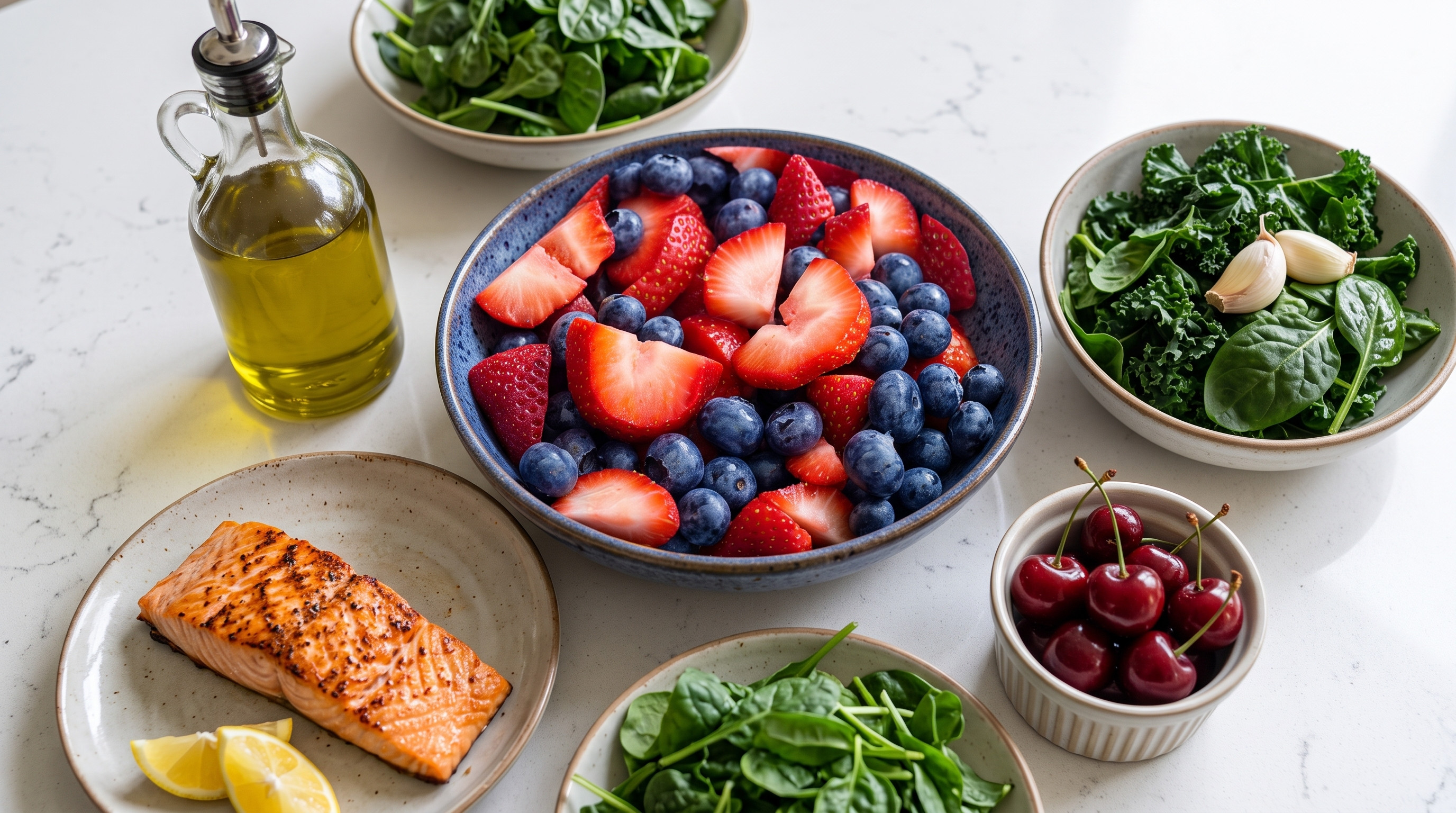
Extra virgin olive oil (EVOO) is a cornerstone of the Mediterranean diet. It contains substantial amounts of oleic acid—a monounsaturated fatty acid—and polyphenol compounds such as oleocanthal. These natural phytochemicals help neutralize oxidative molecules, supporting vascular and cardiovascular health.
2. Berries (Anthocyanins & Flavonoids)
Strawberries, blueberries, blackberries, and raspberries are concentrated sources of anthocyanins, the antioxidants responsible for their vibrant pigmentation. Clinical nutritional studies observe that consistent intake of anthocyanins supports vascular elasticity and assists in maintaining healthy inflammatory markers.
3. Fatty Fish (Marine Omega-3 EPA & DHA)
Fatty cold-water fish—such as wild-caught salmon, mackerel, sardines, and anchovies—provide long-chain omega-3 fatty acids: eicosapentaenoic acid (EPA) and docosahexaenoic acid (DHA). The body converts EPA and DHA into specialized pro-resolving mediators (SPMs) that help regulate immune cell signaling and promote tissue recovery.
4. Tart Cherries (Polyphenolic Compounds)
Tart cherries contain concentrated amounts of anthocyanins and flavonols. Nutritional researchers frequently study tart cherry juice for its capacity to assist with exercise-induced oxidative stress, supporting muscular recovery and joint comfort following strenuous physical exertion.
5. Garlic (Organosulfur Compounds)
Garlic contains active sulfur-containing compounds, most notably allicin and diallyl sulfide, which are activated when the clove is crushed or chopped. These compounds support natural immune defenses and aid the body’s endogenous antioxidant defense enzymes.
6. Dark Leafy Greens (Carotenoids & Vitamin K)
Vegetables like spinach, kale, Swiss chard, and collard greens deliver abundant concentrations of lutein, beta-carotene, vitamin E, and phylloquinone (vitamin K1). These micronutrients protect cellular membranes from lipid peroxidation and supply essential dietary fiber to support gut microbiome diversity.
Complementing Nutritional Foundations with Comprehensive Clinical Care
Adopting an anti-inflammatory dietary pattern provides an essential daily baseline for cellular wellness. However, persistent joint discomfort, chronic fatigue, or unresolved metabolic resistance often stem from deeper hormonal shifts, micronutrient imbalances, or underlying clinical conditions that nutrition alone cannot fully resolve.
When lifestyle modifications require deeper diagnostic insight, professional telehealth evaluations provide tailored guidance. Explore Nu Image Medical Wellness Programs to discover how personalized biomarker testing, targeted peptide protocols, and licensed clinical oversight can support your long-term health and vitality.
Disclaimer: This content is provided solely for educational and informational purposes and does not constitute medical advice, diagnosis, or treatment. Dietary adjustments should not replace prescribed medications or clinical therapies. Always consult a qualified healthcare professional before making significant changes to your nutrition or therapeutic regimen.
This article is for informational purposes only and does not constitute medical advice. The information contained herein is not a substitute for and should never be relied upon for professional medical advice. Always talk to your physician about the risks and benefits of any treatment. Nu Image Medical may not offer the medications or services mentioned in this article.