
Phentermine for Weight Loss: Noradrenergic Pharmacology, Clinical Limits, and Incretin Alternatives

Phentermine for Weight Loss: Noradrenergic Pharmacology, Clinical Limits, and Incretin Alternatives
For more than six decades, pharmacological management of obesity relied heavily on central nervous system stimulants designed to blunt appetite through adrenergic arousal. Among these legacy compounds, phentermine hydrochloride remains the most widely recognized, functioning as a short-term anorectic agent originally approved in 1959.
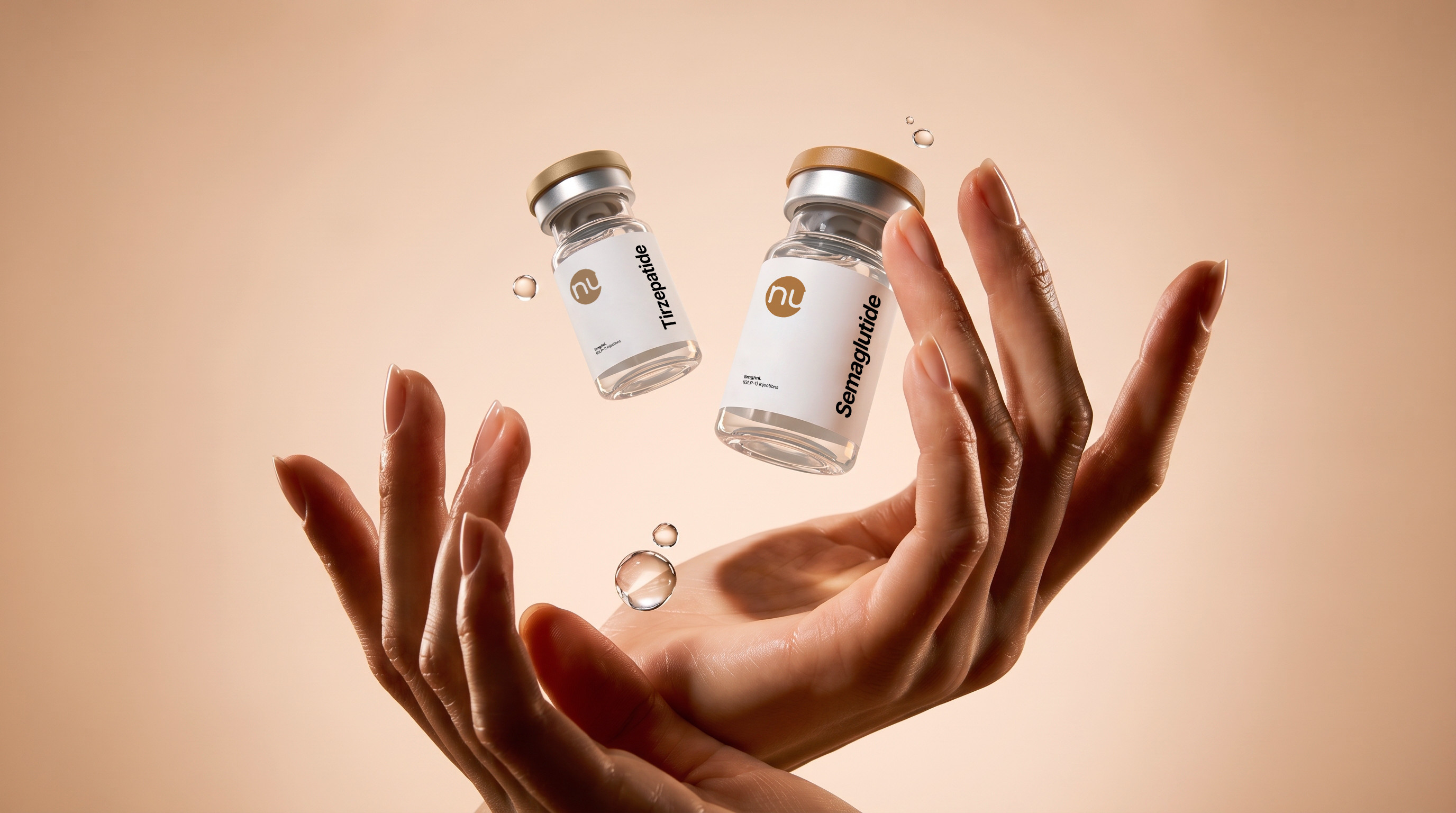
However, modern metabolic medicine recognizes that excess adiposity is not an acute behavioral flaw requiring temporary central stimulation, but a chronic, relapsing neuroendocrine disease. While phentermine can induce short-term weight reduction by activating sympathetic pathways, its therapeutic utility is severely constrained by rapid receptor tolerance, significant cardiovascular contraindications, and high rates of post-treatment weight rebound. Understanding how phentermine operates in the brain, identifying its physiological boundaries, and evaluating advanced incretin alternatives—specifically Semaglutide and Tirzepatide available in once-weekly injections or sublingual Rapid-Dissolve Tablets (RDT)—clarify how clinical practice has evolved toward sustainable metabolic restoration.
Pharmacological Mechanism: Noradrenergic Hypothalamic Stimulation
Phentermine is a substituted amphetamine derivative classified pharmacologically as an indirect-acting sympathomimetic amine:
-
Presynaptic Transporter Reversal: Phentermine is transported into presynaptic nerve terminals within the central nervous system via the norepinephrine transporter (NET). Once intracellular, it disrupts vesicular monoamine transporter 2 (VMAT2), reversing the normal uptake direction and causing a substantial release of norepinephrine into the synaptic cleft.
-
Hypothalamic Anorexia Signaling: In the lateral hypothalamic area—a primary feeding control center in the brain—the surge in extracellular norepinephrine engages alpha-1 and beta-2 adrenergic receptors. This simulates an acute systemic "fight-or-flight" response, down-regulating the conscious perception of hunger and postponing meal initiation.
-
Absence of Endocrine Modulation: Phentermine exerts no direct regulatory action on gastric motility, gut-derived satiety peptides, or peripheral insulin sensitivity. Its appetite-suppressing effects rely entirely on systemic sympathetic nervous system excitation.
Clinical Limitations of Phentermine Therapy
Because phentermine relies on central nervous system stimulation rather than metabolic recalibration, it presents distinct clinical challenges:
1. Receptor Tachyphylaxis and Duration Limits
Phentermine is federally classified as a Schedule IV controlled substance and is approved strictly for short-term monotherapy (typically up to 12 weeks). Within 6 to 10 weeks of continuous administration, hypothalamic post-synaptic adrenergic receptors undergo rapid down-regulation. As receptor desensitization sets in, appetite suppression wanes. Increasing the dosage beyond clinical thresholds does not restore satiety signaling; instead, it sharply elevates peripheral cardiovascular toxicity.
2. Cardiovascular and Autonomic Adverse Effects
Adrenergic activation cannot be isolated to the brain:
-
Hemodynamic Strain: Peripheral alpha-1 receptor activation drives arterial vasoconstriction, while cardiac beta-1 stimulation accelerates heart rate. Patients routinely present with resting tachycardia, systolic and diastolic hypertension, and palpitations.
-
Neuropsychiatric Disruption: Systemic adrenergic arousal frequently provokes central nervous system overstimulation, leading to sleep architecture fragmentation (insomnia), daytime irritability, tremors, and heightened anxiety.
-
Anticholinergic Manifestations: Salivary and mucosal secretions are blunted, causing persistent xerostomia (dry mouth) and gastrointestinal hypomotility leading to chronic constipation.
3. High Incidence of Weight Rebound
Because phentermine does not reset elevated hypothalamic metabolic set points or resolve underlying leptin and insulin resistance, discontinuing therapy removes the artificial sympathetic block on hunger. Patients frequently experience severe rebound hyperphagia, regaining lost weight rapidly once the stimulant clears systemic circulation.
Comparative Analysis: Phentermine vs. Modern Incretin Mimetics
Clinical Variable Phentermine Hydrochloride Semaglutide & Tirzepatide (Injections & RDT) Pharmacological Class Sympathomimetic Amine (Amphetamine-like) GLP-1 & Dual GIP/GLP-1 Incretin Mimetics Primary Site of Action Central presynaptic norepinephrine transporters Hypothalamic satiety centers, enteric motility receptors Cardiovascular Impact Increases heart rate and blood pressure Documented reductions in arterial pressure and MACE risk Clinical Treatment Model Short-term monotherapy (≤ 12 weeks) Validated for long-term chronic disease management Mean Weight Loss ~3% to 5% total body mass ~15% to 22.5% total body mass (STEP & SURMOUNT data) Delivery Mechanisms Swallowed oral pills Once-weekly Subcutaneous Injections or Daily Sublingual RDTsEvidence-Based Clinical Alternatives: Semaglutide and Tirzepatide
Modern clinical obesity medicine focuses on peptide therapies that mirror endogenous neuroendocrine signaling rather than relying on central stimulants:
Semaglutide (Selective GLP-1 Receptor Agonist)
-
Biological Satiety: Stimulates POMC/CART neurons in the arcuate nucleus of the hypothalamus, dampening homeostatic hunger while delaying gastric emptying to prolong postprandial fullness.
-
Clinical Trial Outcomes: Produces sustained average total body weight reductions of 14.9% to 15.8% in clinical trials without inducing sympathetic overdrive.
Tirzepatide (Dual GIP and GLP-1 Receptor Co-Agonist)
-
Twincretin Synergy: Simultaneously engages GIP and GLP-1 receptors, enhancing white adipose lipid buffering, optimizing insulin sensitivity, and dramatically blunting hedonic food cravings.
-
Superior Trial Outcomes: Yields average weight reductions of up to 20.9% to 22.5% in landmark SURMOUNT trials.
Flexible Clinical Delivery: Injections and Sublingual RDTs
To accommodate individual patient preferences, modern clinical telehealth protocols provide Semaglutide and Tirzepatide in two medical formats:
-
Once-Weekly Subcutaneous Injections: Administered via ultra-fine micro-needles into subcutaneous fat, establishing a sustained-release depot for consistent seven-day appetite suppression.
-
Daily Sublingual Rapid-Dissolve Tablets (RDT): Needle-free, shelf-stable tablets that dissolve under the tongue for rapid mucosal absorption into systemic circulation, completely bypassing gastrointestinal enzymatic breakdown.
Telehealth Integration and Licensed Medical Supervision
Transitioning away from obsolete stimulants to modern incretin medicine requires comprehensive clinical governance:
-
Diagnostic Screening: Licensed telehealth providers evaluate cardiovascular health, review contraindications (such as uncontrolled hypertension, cardiovascular disease, or personal/family history of medullary thyroid carcinoma), and match patients with appropriate incretin protocols.
-
Accredited Compounding Pharmacy Delivery: Sourcing from state-licensed, regulated compounding pharmacies guarantees medication purity, accurate dosing, and direct doorstep delivery.
-
Ongoing Virtual Follow-Up: Continuous digital monitoring enables providers to guide conservative dose escalations, mitigate transient gastrointestinal symptoms, and ensure skeletal muscle preservation.
When Lifestyle Discipline Reaches Biological Ceilings
Prioritizing progressive strength training, consuming a nutrient-dense whole-food diet, and optimizing sleep hygiene form the foundation for metabolic resilience. However, when complex neuroendocrine counter-regulation, elevated metabolic set points, and intense biological hunger stall progress despite disciplined habits, targeted incretin pharmacotherapy provides the physiological reset required to break through.
When conventional lifestyle efforts encounter an endocrine ceiling, physician-supervised pharmacotherapy delivers targeted clinical solutions. Explore Nu Image Medical Weight Loss Programs to learn how comprehensive medical diagnostics, licensed telehealth consultations, and physician-supervised protocols—featuring both once-weekly subcutaneous injections and sublingual Rapid-Dissolve Tablets (RDT) for Semaglutide and Tirzepatide—work synergistically to restore neuroendocrine balance, manage biological appetite cues, and achieve sustainable weight management.
Disclaimer: This content is provided solely for educational and informational purposes and does not constitute medical advice, diagnosis, or treatment. It is not intended to replace personalized consultation with a licensed healthcare provider. Phentermine, Semaglutide, Tirzepatide, and compounded incretin therapies (injectable and RDT) are prescription medications requiring comprehensive diagnostic evaluation, cardiovascular screening, and ongoing physician oversight. Always consult your physician before initiating, modifying, or discontinuing any prescription medication.
This article is for informational purposes only and does not constitute medical advice. The information contained herein is not a substitute for and should never be relied upon for professional medical advice. Always talk to your physician about the risks and benefits of any treatment. Nu Image Medical may not offer the medications or services mentioned in this article.