
7 Nutrient-Dense Snacks That Support Satiety and Metabolic Balance

7 Nutrient-Dense Snacks That Support Satiety and Metabolic Balance
Snacking can either support or hinder long-term weight management depending on the nutritional composition of your choices. Ultra-processed convenience snacks—often marketed as "low-fat" or "diet"—are frequently packed with refined carbohydrates and sodium that trigger steep glucose spikes followed by rapid hunger rebound.
Conversely, whole foods rich in dietary protein, healthy monounsaturated fats, and viscous fiber help stimulate natural satiety hormones and provide steady energy between meals. Incorporating nutrient-dense snacks into your routine supports appetite regulation and metabolic health without requiring drastic dietary restrictions.
The Physiology of High-Satiety Snacking
Effective snacks balance macronutrients to slow gastric emptying and encourage the release of satiety peptides like peptide YY (PYY) and glucagon-like peptide-1 (GLP-1). Prioritizing whole, minimally processed ingredients provides essential micronutrient density while stabilizing baseline blood glucose levels.
1. Walnuts and Raw Tree Nuts (Omega-3s & Plant Protein)
Walnuts deliver a balanced matrix of alpha-linolenic acid (plant-based omega-3), monounsaturated fats, and dietary fiber. A measured single-ounce serving helps promote cardiovascular wellness and delivers sustained satiety without causing erratic insulin fluctuations.
2. Whole Hard-Boiled Eggs (Complete Amino Acids & Choline)
Whole eggs provide one of the highest biological protein ratings of any whole food, supplying roughly 6 grams of protein per egg alongside all nine essential amino acids. The yolk delivers dietary choline, vitamin D, and fat-soluble carotenoids (lutein and zeaxanthin) that support cellular membrane health.
3. Fresh Avocado Slices (Monounsaturated Lipids & Fiber)
Avocados are naturally dense in oleic acid—a heart-healthy monounsaturated fat—and soluble fiber. This lipid-fiber combination significantly delays gastrointestinal transit, providing long-lasting fullness. Pairing a quarter of an avocado with a pinch of sea salt or lemon juice offers a satisfying, low-glycemic snack.
4. Low-Moisture Part-Skim String Cheese (Casein Protein & Calcium)
Part-skim mozzarella string cheese provides built-in portion control, delivering high-density dairy protein and bioavailable calcium with minimal carbohydrates. Its casein protein content breaks down slowly, helping curb afternoon appetite spikes.
5. Minimally Processed Turkey Jerky (Lean Protein Convenience)
For an easily portable, savory option, lean turkey jerky offers high-density animal protein with minimal fat. When selecting packaged jerky, choose low-sodium, uncured varieties without added nitrates or high-fructose corn syrup to support cardiovascular balance.
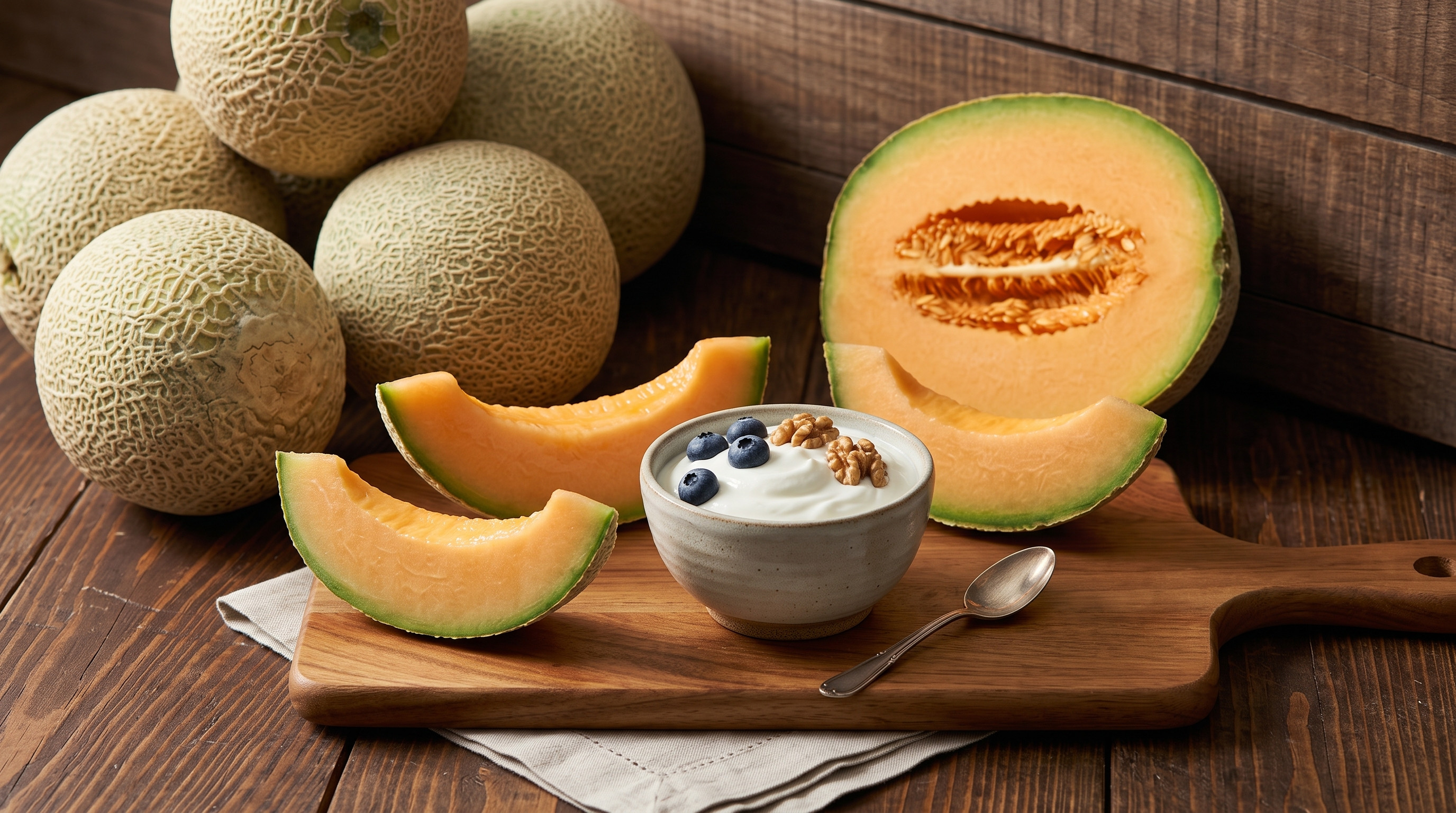
6. Fresh Cantaloupe with Protein Pairing
Cantaloupe is naturally composed of roughly 90% water, delivering generous food volume with modest caloric density. Its potassium and vitamin C content support cellular hydration and electrolyte balance. Pairing fresh cantaloupe with a small serving of cottage cheese or Greek yogurt blunts glycemic absorption.
7. Chilled or Frozen Whole Grapes (Resveratrol & Natural Hydration)
Freezing fresh whole grapes creates a firm, sorbet-like texture that takes longer to consume, encouraging mindful eating. Grapes deliver polyphenols, including resveratrol, alongside dietary hydration. Keeping portion sizes measured provides natural sweetness without relying on refined desserts.
When Mindful Snacking Needs Clinical Direction
Building a rotation of nutrient-dense, high-satiety snacks provides a solid daily behavioral foundation. However, when persistent weight retention, stubborn visceral fat, or uncontrollable appetite signaling persist despite clean nutrition, underlying endocrine adaptations—such as insulin resistance, leptin resistance, or thyroid shifts—may be resisting your efforts.
When standard lifestyle habits reach a plateau, clinical medical evaluation provides targeted solutions. Explore Nu Image Medical Weight Loss Programs to learn how comprehensive metabolic assessments, licensed clinical consultations, and medically supervised telehealth protocols work together to support sustainable health and body composition.
Disclaimer: This content is provided solely for educational and informational purposes and does not constitute medical advice, diagnosis, or treatment. It is not intended to replace consultation with a licensed healthcare provider. Always consult a qualified physician before making substantial modifications to your nutritional plan or embarking on a weight management program.
This article is for informational purposes only and does not constitute medical advice. The information contained herein is not a substitute for and should never be relied upon for professional medical advice. Always talk to your physician about the risks and benefits of any treatment. Nu Image Medical may not offer the medications or services mentioned in this article.