
Phentermine for Weight Loss: Sympathomimetic Pharmacology, Adverse Events, and Modern Incretin Alternatives

Phentermine for Weight Loss: Sympathomimetic Pharmacology, Adverse Events, and Modern Incretin Alternatives
For decades, pharmacological intervention for excess body mass relied almost exclusively on central nervous system stimulants. First approved by the FDA in 1959, phentermine hydrochloride became the most widely prescribed oral anorectic agent in clinical practice.
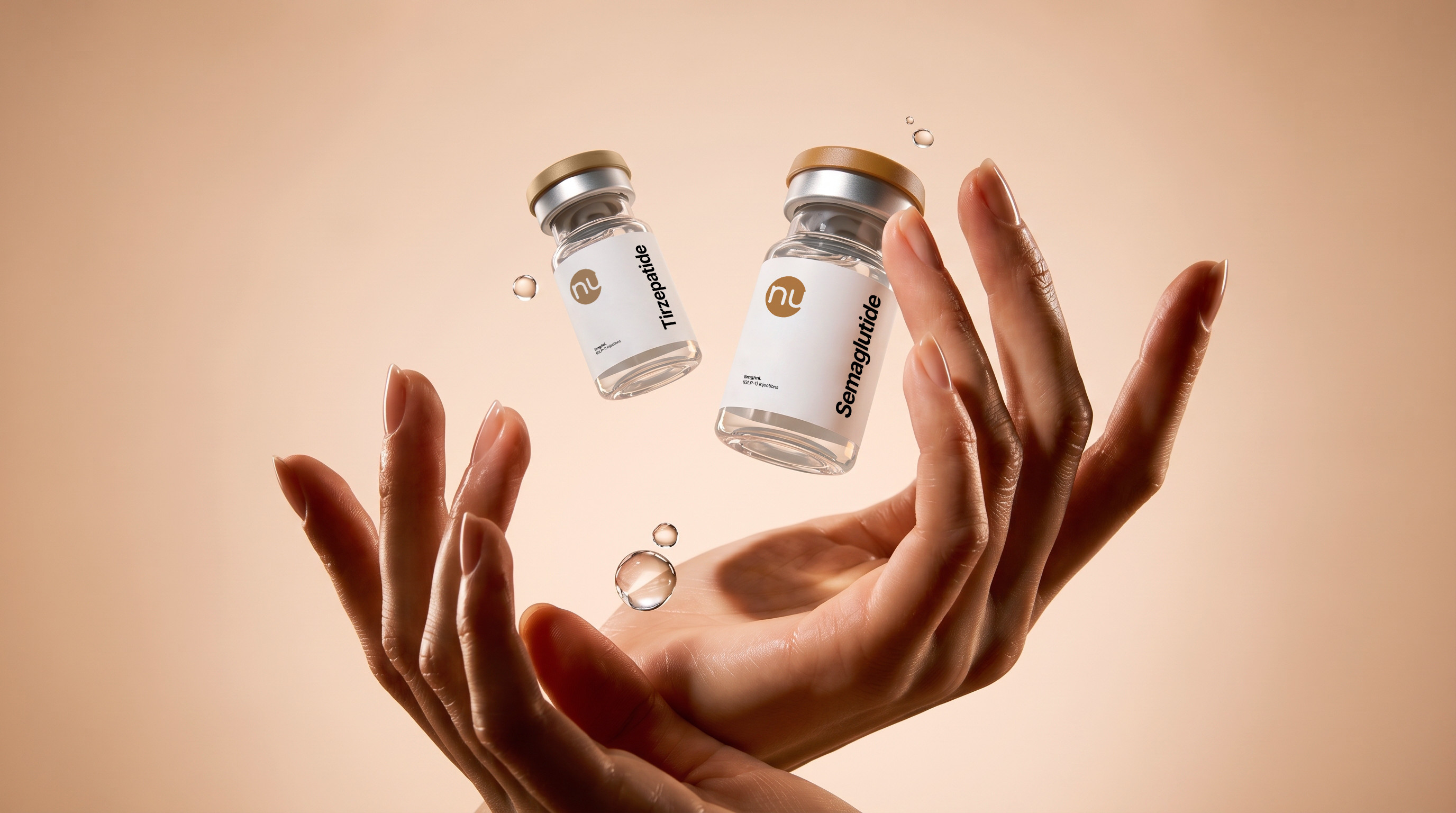
However, as endocrinology and obesity medicine have evolved from short-term appetite suppression models to targeted neuroendocrine disease management, the clinical role of phentermine has come under significant scrutiny. As a Schedule IV sympathomimetic amine, phentermine presents clear cardiovascular contraindications, rapid receptor tolerance, and substantial rebound weight gain upon cessation. Understanding the molecular pharmacology of phentermine, identifying its systemic side effects and critical drug interactions, and evaluating modern incretin alternativesâspecifically Semaglutide and Tirzepatide in weekly injections or sublingual Rapid-Dissolve Tablets (RDT)âclarify why clinical practice is transitioning to targeted peptide therapy.
Molecular Pharmacology: The Sympathomimetic Mechanism
Phentermine is structurally related to amphetamines and functions as a non-selective, indirect sympathomimetic agent:
-
Presynaptic Monoamine Release: Phentermine enters presynaptic nerve terminals via the norepinephrine transporter (NET). Once inside, it inhibits the vesicular monoamine transporter 2 (VMAT2), reversing the flow of NET and provoking a rapid efflux of norepinephrine into the synaptic cleft, with secondary minor releases of dopamine and serotonin.
-
Hypothalamic Anorexia: In the lateral hypothalamic area, elevated synaptic norepinephrine engages alpha-1 and beta-2 adrenergic receptors. This induces an acute, systemic "fight-or-flight" physiological state that temporarily suppresses the homeostatic sensation of hunger.
-
Absence of Gut Peptide Action: Unlike modern metabolic agents, phentermine has no direct affinity for gastrointestinal incretin receptors, does not slow gastric emptying, and does not alter underlying insulin resistance or white adipose tissue biology.
Adverse Events and Cardiovascular Hemodynamic Strain
Because phentermine stimulates systemic adrenergic receptors, its physiological effects are not confined to appetite centers in the brain:
-
Cardiovascular Strain: Peripheral vascular alpha-1 receptor activation causes arterial vasoconstriction, while cardiac beta-1 receptor stimulation increases inotropy and chronotropy. This frequently manifests as resting tachycardia, palpitations, and sustained elevations in both systolic and diastolic blood pressure.
-
Central Nervous System Overdrive: Heightened sympathetic tone commonly provokes insomnia, restlessness, motor agitation, tremors, and severe subjective anxiety or irritability.
-
Anticholinergic-Like Effects: Adrenergic activation reduces salivary and mucosal secretions, leading to severe xerostomia (dry mouth) and altered gastrointestinal motility that frequently causes constipation.
-
The Pharmacological Tolerance Ceiling: Due to the rapid down-regulation of post-synaptic adrenergic receptors, patients typically develop tachyphylaxis within 8 to 12 weeks of initiation. When efficacy wanes, escalating the dosage sharply amplifies cardiovascular risks without improving appetite control.
Critical Drug Interactions and Clinical Contraindications
Given its profound sympathetic activity, phentermine carries severe pharmacodynamic interactions:
-
Monoamine Oxidase Inhibitors (MAOIs): Co-administration with MAOIs (or within 14 days of cessation) is strictly contraindicated. The combination prevents monoamine degradation while actively inducing their release, provoking life-threatening hypertensive crises and intracranial hemorrhage.
-
Serotonergic Pharmacotherapy (SSRIs / SNRIs): While phentermine is primarily noradrenergic, combining it with serotonergic antidepressants or migraine triptans introduces a documented risk of serotonin syndrome, characterized by hyperthermia, autonomic instability, and neuromuscular rigidity.
-
Exogenous Stimulants and Antihypertensives: Co-administering phentermine with caffeine, decongestants, or other central stimulants exacerbates cardiac arrhythmia risks, while simultaneously blunting the therapeutic efficacy of prescription antihypertensive medications.
Comparative Analysis: Phentermine vs. Modern Incretin Peptides
Clinical VariablePhentermine HydrochlorideSemaglutide & Tirzepatide (Injections & RDT)Pharmacological ClassSympathomimetic Amine (Amphetamine-like)GLP-1 & Dual GIP/GLP-1 Incretin MimeticsPrimary Biological SiteCentral presynaptic monoamine transportersHypothalamic satiety nuclei, brainstem, gut receptorsCardiovascular ImpactElevates heart rate and blood pressureDocumented reductions in blood pressure and MACE riskTolerance & DurationHigh tachyphylaxis; limited to short-term use (⤠12 wks)Sustained long-term efficacy; validated for chronic useMean Weight Loss~3% to 5% total body mass~15% to 22.5% total body mass (STEP & SURMOUNT trials)Delivery MechanismsSwallowed oral pillsOnce-weekly Subcutaneous Injections or Daily Sublingual RDTsEvidence-Based Clinical Alternatives: Semaglutide and Tirzepatide
Modern obesity medicine replaces non-specific central nervous system arousal with targeted peptide therapeutics that mimic native metabolic hormones:
Semaglutide (Selective GLP-1 Receptor Agonist)
-
Physiological Satiety: Binds to GLP-1 receptors in the arcuate nucleus to activate POMC/CART satiety neurons, suppresses neuropeptide Y (NPY), and slows gastric motility to prolong nutrient fullness without adrenergic agitation.
-
Clinical Efficacy: Produces sustained average total body mass reductions of 14.9% to 15.8% in landmark clinical trials.
Tirzepatide (Dual GIP and GLP-1 Receptor Co-Agonist)
-
Synergistic Dual Incretin Action: Simultaneously engages GIP and GLP-1 receptors, enhancing white adipose lipid buffering, optimizing insulin sensitivity, and dramatically blunting hedonic food cravings.
-
Superior Trial Outcomes: Yields average weight reductions of up to 20.9% to 22.5% in the SURMOUNT clinical trials.
Flexible Delivery Formats: Weekly Injections and Sublingual RDTs
Telehealth programs provide modern incretin therapy in two clinically calibrated formats:
-
Once-Weekly Subcutaneous Injections: Micro-needle administration into subcutaneous fat, establishing a sustained-release depot for consistent seven-day appetite suppression.
-
Daily Sublingual Rapid-Dissolve Tablets (RDT): Needle-free, shelf-stable tablets that dissolve under the tongue for rapid transmucosal absorption into systemic circulation, completely bypassing gastrointestinal enzymatic breakdown.
Telehealth Integration and Licensed Medical Supervision
Transitioning away from obsolete stimulants to modern incretin medicine requires comprehensive clinical governance:
-
Diagnostic Screening: Licensed telehealth providers evaluate cardiovascular health, review contraindications (such as personal or family history of medullary thyroid carcinoma or MEN 2), and select the appropriate peptide protocol.
-
Accredited Compounding Pharmacy Delivery: Medications are formulated to strict USP standards by state-licensed compounding pharmacies and shipped directly to the patient's doorstep.
-
Ongoing Virtual Follow-Up: Continuous digital monitoring enables providers to guide conservative dose escalations, mitigate transient gastrointestinal symptoms, and ensure skeletal muscle preservation.
When Lifestyle Discipline Reaches Biological Ceilings
Prioritizing progressive strength training, consuming a nutrient-dense whole-food diet, and optimizing sleep hygiene form the foundation for metabolic resilience. However, when complex neuroendocrine counter-regulation, elevated metabolic set points, and intense biological hunger stall progress despite disciplined habits, targeted incretin pharmacotherapy provides the physiological reset required to break through.
When conventional lifestyle efforts encounter an endocrine ceiling, physician-supervised pharmacotherapy delivers targeted clinical solutions. Explore Nu Image Medical Weight Loss Programs to learn how comprehensive medical diagnostics, licensed telehealth consultations, and physician-supervised protocolsâfeaturing both once-weekly subcutaneous injections and sublingual Rapid-Dissolve Tablets (RDT) for Semaglutide and Tirzepatideâwork synergistically to restore neuroendocrine balance, manage biological appetite cues, and achieve sustainable weight management.
Disclaimer: This content is provided solely for educational and informational purposes and does not constitute medical advice, diagnosis, or treatment. It is not intended to replace personalized consultation with a licensed healthcare provider. Phentermine, Semaglutide, Tirzepatide, and compounded incretin therapies (injectable and RDT) are prescription medications requiring comprehensive diagnostic evaluation, cardiovascular screening, and ongoing physician oversight. Always consult your physician before initiating, modifying, or discontinuing any prescription medication.
This article is for informational purposes only and does not constitute medical advice. The information contained herein is not a substitute for and should never be relied upon for professional medical advice. Always talk to your physician about the risks and benefits of any treatment. Nu Image Medical may not offer the medications or services mentioned in this article.