
The Health Halo Effect: 11 Deceptive Foods That May Hinder Weight Loss

The Health Halo Effect: 11 Deceptive Foods That May Hinder Weight Loss
Nutritional marketing frequently creates what behavioral scientists refer to as the "health halo effect"âa psychological bias where terms like "all-natural," "plant-based," "organic," or "gluten-free" lead consumers to assume a product actively supports weight loss.
In reality, many convenience foods marketed as nutritious are stripped of structural fiber and reformulated with concentrated sugars, sodium, and industrial seed oils to maintain palatability. These hidden metabolic hurdles can rapidly drive up daily caloric intake, provoke reactive blood sugar spikes, and stall body composition progress without your awareness.
The Endocrinology of Deceptive Caloric Density
Foods marketed as healthy often carry high energy density relative to their physical volume. When fiber and protein are replaced by refined carbohydrates or concentrated fats, gastric emptying occurs rapidly without stimulating sufficient satiety peptides like glucagon-like peptide-1 (GLP-1) or peptide YY (PYY). Understanding where these hidden calories hide allows you to make informed, whole-food choices.
1. Commercially Bottled Fruit Juices
While orange and apple juices supply vitamin C, juicing strips away the structural cellular fiber that moderates fructose absorption. A typical 16-ounce bottled juice delivers over 40 grams of fast-acting carbohydratesâequivalent to several slices of white breadâoverwhelming hepatic pathways and triggering rapid insulin spikes. Opt for whole fruit to preserve natural pectin and fiber.
2. Ready-to-Drink Bottled Teas
Green and black teas provide rich antioxidant polyphenols, but commercial bottled teas are frequently sweetened to levels rivaling carbonated sodas. A single bottle can deliver up to 30 grams of added cane sugar or high-fructose corn syrup. Choose freshly brewed, unsweetened iced tea infused with fresh mint or lemon instead.
3. Commercial Dried Fruit
Dehydrating fruit removes roughly 80% of its water content, concentrating natural sugars into dense, bite-sized portions that make passive overconsumption easy. Many commercial brands also coat dried cranberries, mangoes, and pineapple in additional refined sugar and vegetable oils. Keep dried fruit portions strictly measured, or prioritize fresh, high-water whole berries.
4. Packaged Granola and Breakfast Clusters
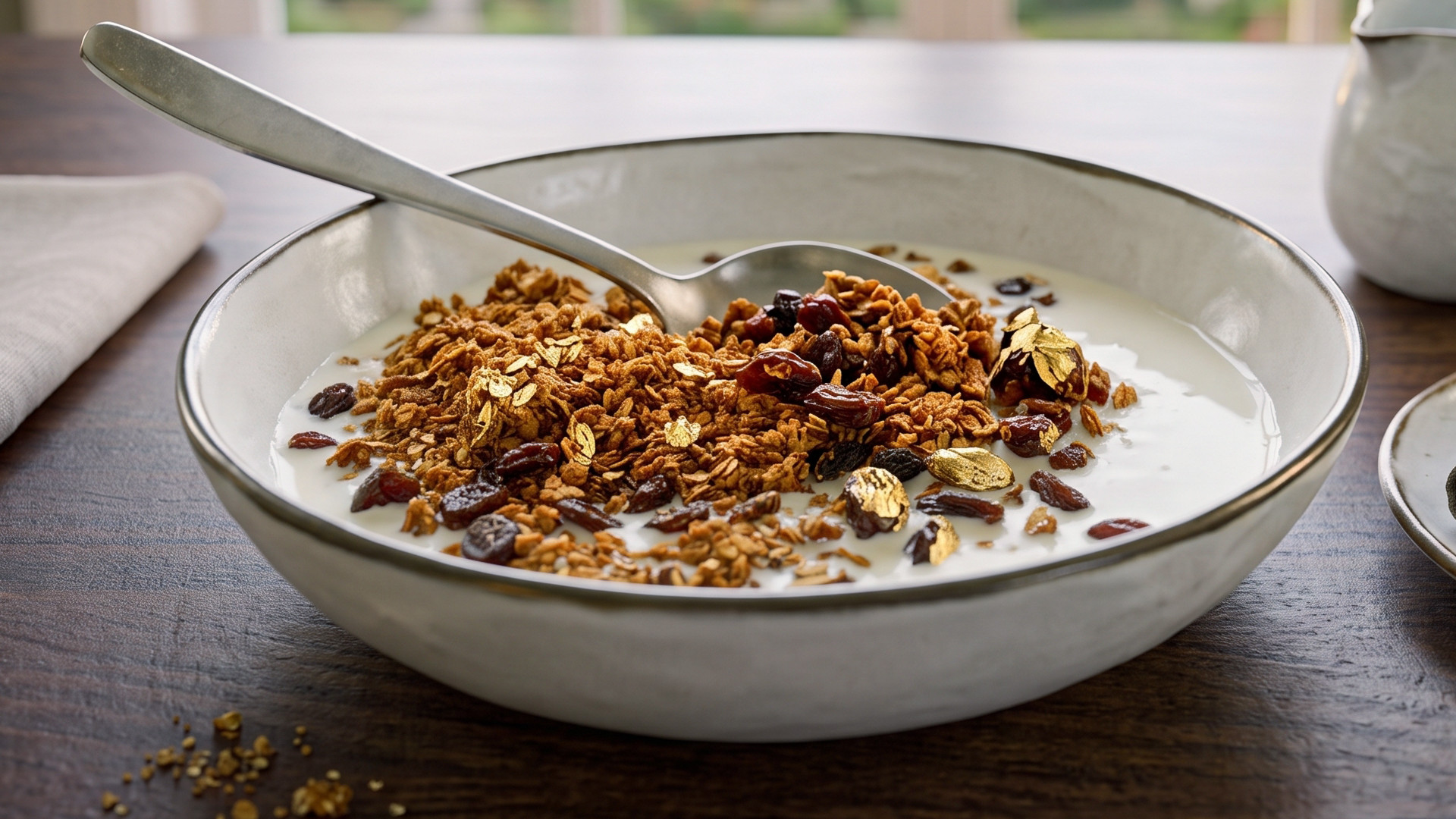
Marketed as an athletic health food, commercial granola is typically bound together using honey, syrups, and refined oils before baking. A single half-cup serving often exceeds 250 to 300 calories with negligible protein. Swap packaged clusters for raw rolled oats prepared with unsweetened almond milk and topped with raw walnuts and cinnamon.
5. Bakery Bran and Fruit Muffins
Because bran carries a healthy reputation, commercial muffins are often perceived as superior to donuts. In reality, large commercial muffins frequently contain over 400 calories and 30 grams of sugar, functioning metabolically like frosted cake. A high-protein breakfast of pasture-raised eggs or plain Greek yogurt provides lasting satiety without glycemic crashes.
6. Plain Puffed Rice Cakes
Often relied upon as a low-calorie diet snack, puffed rice cakes have a very high glycemic index. The puffing process gelatinizes the starches, causing near-instantaneous digestion and sharp glucose surges followed by hunger rebound, all while offering negligible micronutrients or fiber. Pair them with a protein source, or choose raw vegetables with hummus.
7. Restaurant "Entrée" Salads with Heavy Dressings
A bed of dark greens is inherently nutritious, but restaurant salads often turn into caloric liabilities. Candied pecans, deep-fried wonton strips, croutons, cheeses, and cream-based dressings can push an entrée salad past 1,000 calories. Order dressings and rich toppings on the side, prioritizing olive oil, vinegar, and lean grilled proteins.
8. Westernized Sushi Specialty Rolls
Traditional sashimi (raw fish) and simple nigiri offer excellent lean protein and marine omega-3s. However, Americanized specialty rolls are often rolled with cream cheese, coated in tempura batter, deep-fried, and drizzled with sweetened eel or spicy mayonnaise sauces. Focus on cucumber-wrapped naruto rolls, raw sashimi, or simple tuna and avocado rolls.
9. Deep-Fried or Heavily Sauced Tofu Dishes
Tofu is an exceptional, nutrient-dense plant protein rich in isoflavones. However, many restaurant and packaged tofu preparations dredge the bean curd in cornstarch and deep-fry it before tossing it in sugary teriyaki or sweet-and-sour glazes. Prepare tofu at home by pressing, cubing, and baking or air-frying it with cold-pressed olive oil, herbs, and low-sodium tamari.
10. Ultra-Processed Veggie Patties and Plant Dogs
Not all plant-based meat substitutes are nutritionally equivalent. Many frozen veggie burgers rely on isolated soy protein concentrates, textured vegetable proteins, binders, and inflammatory seed oils rather than real vegetables, delivering high sodium with modest biological value. Look for minimally processed patties crafted from whole black beans, lentils, and quinoa.
11. Large Commercial Sandwich Wraps
Wraps are frequently chosen as a low-carb alternative to sliced bread. However, large commercial flour, spinach, or sun-dried tomato tortillas are made from refined white flour and vegetable shortenings, often containing 300 calories and 50 grams of carbohydrates before any fillings are added. Consider using crisp romaine lettuce leaves, collard green wraps, or whole-grain pita pockets.
When Mindful Nutritional Swaps Encounter Metabolic Hurdles
Learning to identify deceptive marketing claims and prioritizing whole, single-ingredient foods is essential for metabolic self-advocacy. However, when persistent weight retention, stubborn visceral fat, or uncontrollable appetite persist despite meticulous label-reading and disciplined nutrition, underlying endocrine resistanceâsuch as clinical insulin resistance, leptin desensitization, or thyroid slowdownâmay be actively stalling progress.
When standard dietary adjustments reach a physiological plateau, clinical diagnostic evaluation provides actionable answers. Explore Nu Image Medical Weight Loss Programs to learn how comprehensive lab panels, licensed telehealth consultations, and medically supervised clinical protocols work synergistically to support lasting metabolic vitality.
Disclaimer: This content is provided solely for educational and informational purposes and does not constitute medical advice, diagnosis, or treatment. It is not intended to replace consultation with a licensed healthcare provider. Always consult your physician before initiating substantial modifications to your nutritional plan.qui
This article is for informational purposes only and does not constitute medical advice. The information contained herein is not a substitute for and should never be relied upon for professional medical advice. Always talk to your physician about the risks and benefits of any treatment. Nu Image Medical may not offer the medications or services mentioned in this article.