
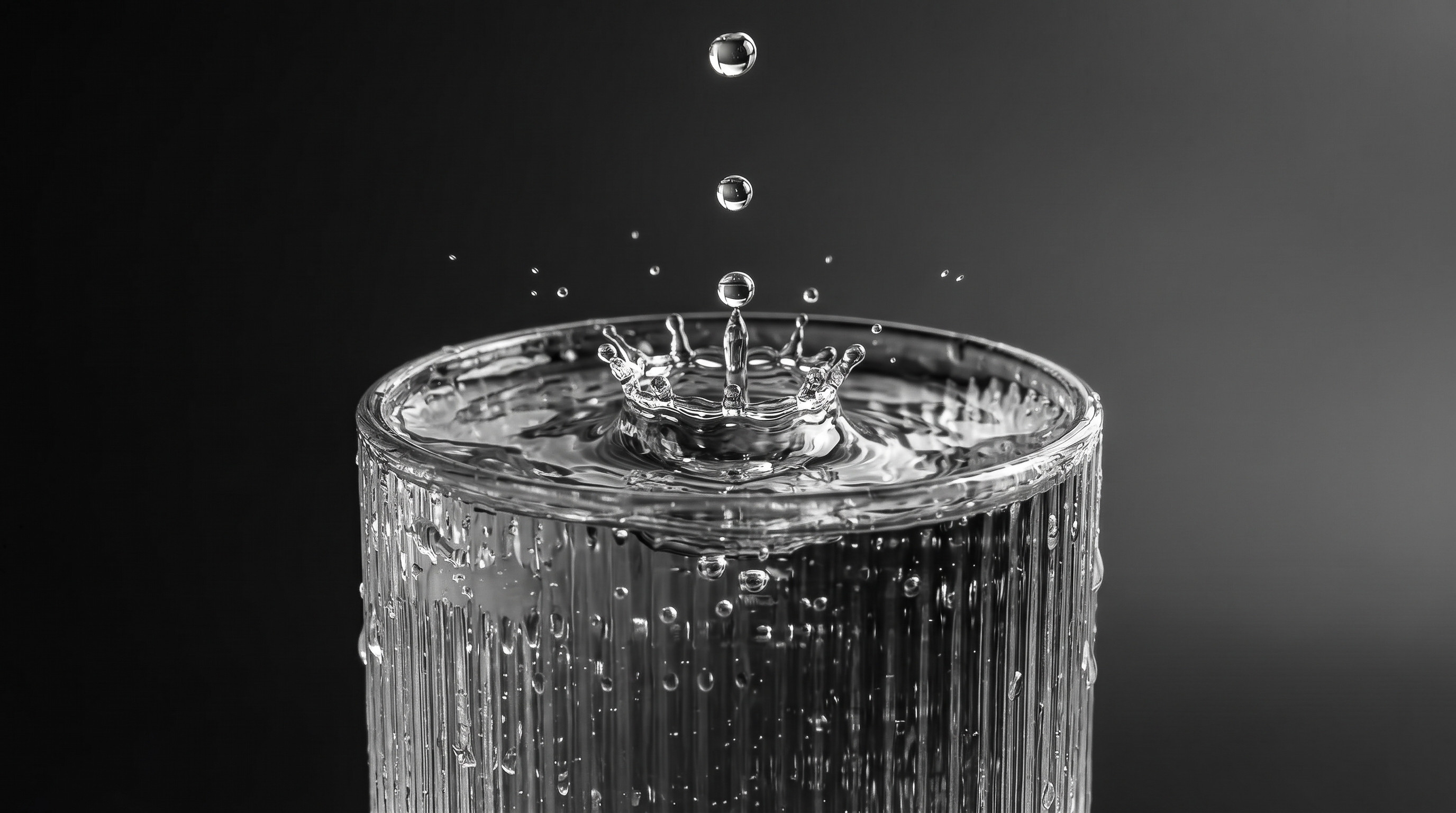
Hydration and Metabolism: How Drinking Water Supports Healthy Weight Management

Hydration and Metabolism: How Drinking Water Supports Healthy Weight Management
Water is an indispensable nutrient involved in virtually every physiological process in the human body. From cellular waste elimination and joint lubrication to cardiovascular circulation and temperature regulation, optimal fluid balance is foundational to health.
In the context of weight management, strategic hydration serves as a practical, low-effort tool to support metabolic efficiency and assist with natural appetite cues. While drinking water alone is not a standalone cure for weight resistance, maintaining consistent fluid balance provides crucial physiological support within a balanced lifestyle.
The Physiological Connection Between Hydration and Energy Balance
Mild dehydration can disrupt baseline cognitive focus, physical endurance, and gastrointestinal motility. Crucially, the central nervous system frequently conflates dehydration with energy deficits: the brain's hypothalamus processes both thirst and hunger signals through overlapping pathways, leading many individuals to reach for calorie-dense snacks when their cells simply require fluid replenishment.
1. Drinking Water Before Meals Supports Portion Awareness
Consuming a 12- to 16-ounce glass of water approximately 20 to 30 minutes before sitting down to a meal creates gentle gastric distension. This activates mechanoreceptors in the stomach lining that signal early fullness to the brain, helping you navigate portion sizes more mindfully and avoid rapid overeating.
2. Eliminates Hidden Liquid Calories
One of the most effective ways hydration aids weight management is through the intentional replacement of high-calorie beverages. Regular sodas, sweetened fruit beverages, sweetened coffees, and commercial energy drinks deliver rapid doses of liquid fructose that do not trigger fullness hormones. Swapping these for plain, infused, or sparkling water eliminates hundreds of empty calories daily without inducing hunger.
3. Mild Thermogenic Response
Consuming chilled or ambient water prompts a very mild, transient increase in energy expenditure as the body works to bring the ingested fluid to core body temperature (37°C). While this thermogenic effect accounts for only modest energy expenditure, it contributes positively to daily baseline hydration needs.
4. Assists Natural Cellular Waste Clearance and Kidney Filtration
Adequate fluid intake supports renal filtration, allowing the kidneys to efficiently clear metabolic end-products, urea, and excess sodium. Maintaining healthy hydration prevents unnecessary fluid retention and supports natural electrolyte balance.
5. Supports Exercise Performance and Muscular Recovery
During physical activity, even a 2 percent drop in body water can lead to noticeable fatigue, decreased muscular endurance, and elevated perceived exertion. Staying hydrated before, during, and after movement ensures adequate blood plasma volume for delivering oxygen to working muscles.
Practical Guidelines for Daily Hydration
-
Monitor Urine Color: Rather than tracking arbitrary fluid quantities, use urine color as a practical biomarker. Pale straw to clear urine indicates adequate hydration, whereas dark amber signals the need for fluid replenishment.
-
Incorporate Infused Varieties: If plain water feels unappealing, infuse cold water with fresh cucumber slices, fresh mint, lemon wheels, or crushed berries for natural flavor without added sugars.
-
Balance Fluids with Electrolytes: High activity levels or intense heat warrant balancing plain water with electrolytes (sodium, potassium, magnesium) to maintain proper intracellular hydration.
When Metabolic Hurdles Extend Beyond Lifestyle Adjustments
Optimizing daily hydration and nutrition establishes a strong physiological baseline. However, persistent weight plateaus, stubborn visceral fat, or uncontrollable appetite signaling are frequently driven by deeper hormonal mechanismsâsuch as insulin resistance, thyroid variations, or leptin resistanceâthat fluid intake alone cannot resolve.
When lifestyle modifications reach a plateau, clinical medical guidance provides targeted clarity. Explore Nu Image Medical Weight Loss Programs to learn how comprehensive lab panels, licensed clinical consultations, and medically supervised telehealth protocols work together to support sustainable metabolic balance.
Â
Disclaimer: This content is provided solely for educational and informational purposes and does not constitute medical advice, diagnosis, or treatment. It is not intended to replace consultation with a licensed healthcare provider. Always seek medical guidance regarding fluid intake recommendations if you have kidney disease, congestive heart failure, or other medical conditions requiring fluid restriction.
This article is for informational purposes only and does not constitute medical advice. The information contained herein is not a substitute for and should never be relied upon for professional medical advice. Always talk to your physician about the risks and benefits of any treatment. Nu Image Medical may not offer the medications or services mentioned in this article.