Green Tea and Weight Loss: What the Science Says About EGCG and Metabolism

Green Tea and Weight Loss: What the Science Says About EGCG and Metabolism
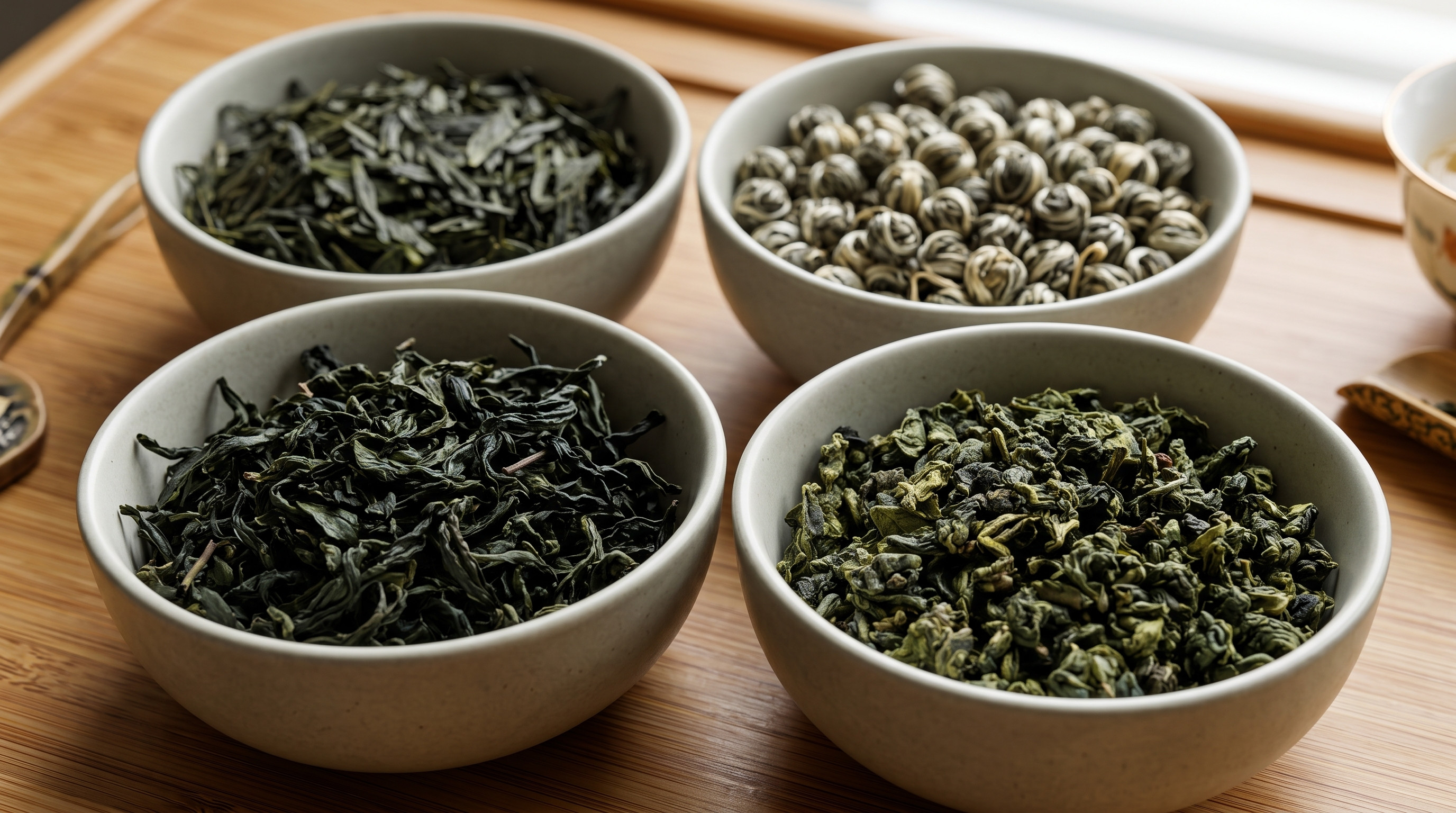
Green tea (Camellia sinensis) has been consumed for centuries and is widely recognized for its rich antioxidant profile. In the wellness and weight management space, green tea and its concentrated extracts are frequently highlighted for their potential to support thermogenesis and fat oxidation.
While green tea is not a miracle cure or an alternative to clinical weight loss protocols, understanding the pharmacology of its active catechins—specifically epigallocatechin gallate (EGCG)—helps clarify how it supports metabolic function as part of a healthy lifestyle.
The Active Bioactive Compounds in Green Tea
The physiological effects of green tea stem primarily from two synergistic components:
-
Catechins (Polyphenols): The most biologically active catechin is epigallocatechin gallate (EGCG), a potent plant antioxidant studied for its role in cellular signaling and oxidative balance.
-
Moderate Caffeine: Green tea naturally contains moderate amounts of caffeine, which provides mild central nervous system stimulation and works in tandem with catechins to support basal metabolic expenditure.
1. Modest Thermogenic Support (EGCG and Caffeine Synergy)
Research indicates that the combination of EGCG and caffeine can mildly inhibit catechol-O-methyltransferase (COMT), an enzyme responsible for degrading norepinephrine. By sustaining norepinephrine levels, green tea may support modest, temporary increases in thermogenesis (energy expenditure) and lipid oxidation during physical activity.
2. Rich Dietary Antioxidant Profile
Unsweetened green tea delivers a high concentration of flavonoids and polyphenols. These bioactive compounds help neutralize reactive oxygen species (ROS), providing cellular defense against systemic oxidative stress often associated with metabolic imbalances.
3. Support for Healthy Vascular Circulation
The catechins in green tea promote healthy endothelial function and nitric oxide bioavailability. Supporting healthy arterial blood flow assists in efficient nutrient delivery and microvascular circulation throughout body tissues.
4. Low-Calorie Hydration and Mindful Replacement
Swapping calorie-dense beverages—such as sugar-sweetened sodas, sweetened juices, or high-sugar specialty coffees—with freshly brewed, unsweetened green tea eliminates empty liquid calories while providing hydration and subtle sensory satisfaction.
5. Whole Brewed Tea vs. Green Tea Extracts
Brewing whole green tea leaves offers a gentle, natural blend of polyphenols, L-theanine, and trace caffeine. While standardized green tea extract supplements provide concentrated doses of EGCG, high-dose extracts should always be consumed with food and evaluated carefully, as excessive intake can place stress on hepatic (liver) pathways in sensitive individuals.
Setting Realistic Expectations: Tea vs. Medical Weight Management
Drinking green tea provides valuable antioxidant support and complements a balanced nutritional routine. However, it cannot target localized fat deposits (spot reduction), reverse severe metabolic resistance, or substitute for comprehensive medical treatment.
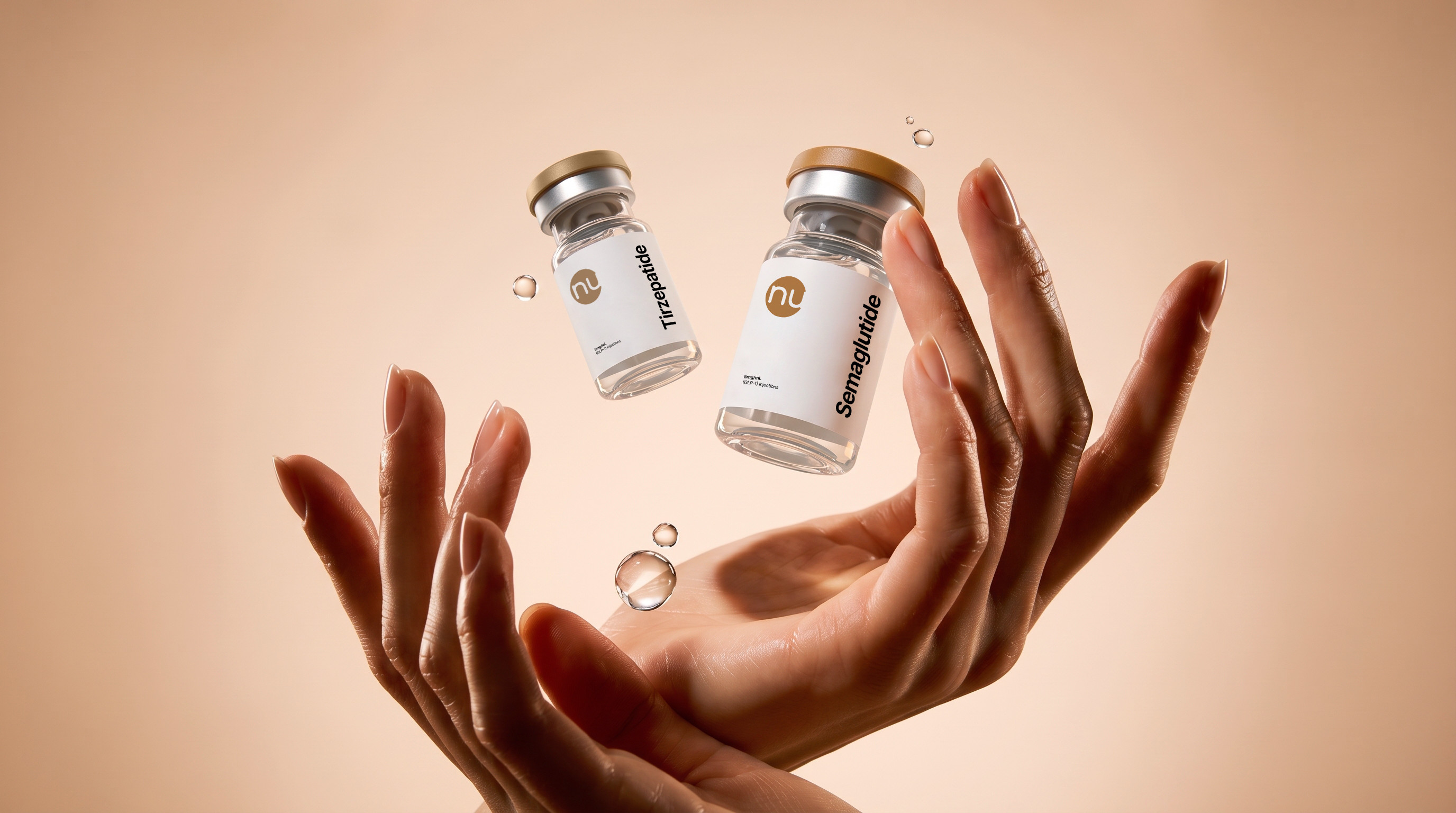
When weight management plateaus are driven by underlying hormonal factors, insulin resistance, or genetic barriers, clinical intervention offers structured, evidence-based solutions. Explore Nu Image Medical Weight Loss Programs to learn how comprehensive physician consultations, metabolic evaluations, and personalized telehealth protocols can support your long-term health.
Disclaimer: This content is provided solely for educational and informational purposes and does not constitute medical advice, diagnosis, or treatment. Green tea and dietary supplements are not intended to diagnose, treat, cure, or prevent chronic disease, cardiovascular illness, or metabolic disorders. Always consult a licensed healthcare provider before initiating new dietary supplements or medical weight loss regimens.
This article is for informational purposes only and does not constitute medical advice. The information contained herein is not a substitute for and should never be relied upon for professional medical advice. Always talk to your physician about the risks and benefits of any treatment. Nu Image Medical may not offer the medications or services mentioned in this article.