
9 Thermogenic and Nutrient-Dense Foods That Support Metabolic Rate

9 Thermogenic and Nutrient-Dense Foods That Support Metabolic Rate
The idea that specific foods can magically melt or "burn" stored body fat is one of the most pervasive misconceptions in commercial nutrition. In human physiology, energy balance and fat oxidation are systemic processes governed by endocrine signaling, total daily energy expenditure (TDEE), and cellular respiration. No single food can selectively target regional adipose tissue.
However, the biochemical concept of Diet-Induced Thermogenesis (DIT)âthe energy cost required to chew, digest, absorb, and metabolize nutrientsâis well-documented in clinical research. Certain whole foods and bioactive phytochemicals naturally support cellular energy turnover, improve insulin sensitivity, and stimulate satiety peptides. Integrating these functional foods into a balanced nutritional protocol optimizes baseline metabolic efficiency.
The Endocrinology of Diet-Induced Thermogenesis
Energy expenditure through digestion accounts for roughly 10% of total daily caloric expenditure. Foods with high protein and complex fiber structures demand significantly more ATP for digestion than refined fats or simple sugars.
Furthermore, select plant bioactives (such as caffeine, catechins, and polyphenols) activate transient sympathetic nervous system pathways, mildly increasing heat production without imposing unneeded stress on the body.
1. Virgin Coconut Oil and Medium-Chain Triglycerides (MCTs)
Coconut oil contains a concentrated proportion of medium-chain triglycerides, primarily lauric, caprylic, and capric acids. Unlike long-chain fatty acids that require complex micellar packaging and lymphatic transit, medium-chain fats are transported directly to the liver via the portal vein. While calorie-dense, MCTs are rapidly oxidized for cellular energy or ketone production, providing quick fuel when used in measured culinary portions.
2. High-Quality Black Coffee (Chlorogenic Acids and Caffeine)
Black coffee is one of the most concentrated sources of dietary antioxidants in the Western diet. Its active methylxanthines (primarily caffeine) mildly stimulate resting metabolic rate and enhance lipolysis by blocking adenosine receptors. Coffee also provides chlorogenic acids, polyphenolic compounds that support healthy glucose uptake in peripheral tissues.
3. Brewed Green Tea (Epigallocatechin Gallate)
Green tea provides catechins, most notably epigallocatechin gallate (EGCG). Clinical trials demonstrate that the synergy between EGCG and modest natural caffeine inhibits catechol-O-methyltransferase (COMT), an enzyme that degrades norepinephrine. This prolongs sympathetic stimulation of thermogenesis, supporting daily metabolic turnover.
4. Fresh Ginger Root (Gingerols and Shogaols)
Ginger root contains pungent phenolic compounds, including gingerols and shogaols, which exert gastroprotective and anti-inflammatory effects. Clinical investigations suggest that ginger consumption slightly enhances the thermic effect of food, supports gastric motility, and promotes mealtime feelings of satiety.
5. Dark Leafy Spinach (Micronutrient Cofactors)
Spinach provides substantial physical volume with minimal caloric impact. It delivers high concentrations of elemental magnesium and potassium, two essential mineral cofactors required for cellular ATP synthesis and peripheral insulin sensitivity, alongside dietary nitrates that support vascular blood flow.
6. Ceylon Cinnamon (Insulin Receptor Sensitization)
Cinnamon contains bioactive polyphenolic polymers (such as cinnamaldehyde) that support glucose regulation. Clinical research shows that cinnamon can slow gastric emptying and support insulin sensitivity at the cellular receptor level, mitigating sharp postprandial glucose surges when paired with carbohydrate-containing meals.
7. High-Biological-Value Whey Protein
Dietary protein possesses the highest thermic effect of any macronutrient, requiring up to 20â30% of its usable energy simply for metabolic processing. Whey protein delivers a complete amino acid profile rich in leucine, an essential branched-chain amino acid that activates the mTOR pathway for skeletal muscle protein synthesis and lean tissue preservation during caloric deficits.
8. Fresh Wild Berries (Anthocyanins and Viscous Fiber)
Blackberries, blueberries, and raspberries offer an exceptional fiber-to-carbohydrate ratio. Rich in anthocyanins and polyphenols, berries blunt systemic oxidative stress and support healthy glucose handling. Their viscous soluble fiber slows carbohydrate transit, preventing rapid glycemic spikes.
9. Fresh Garlic (Organosulfur Compounds and Allicin)
Garlic contains active organosulfur compounds, including allicin, which support vascular endothelial function and lipid profiles. While garlic does not directly burn fat, its anti-inflammatory bioactives promote cellular metabolic health when incorporated into whole-food cooking.
When Functional Nutrition Encounters Metabolic Hurdles
Incorporating thermogenic, nutrient-dense whole foods establishes a strong foundation for cellular vitality. However, when persistent weight retention, severe fatigue, or stubborn visceral adiposity persist despite consistent lifestyle discipline, underlying endocrine adaptationsâsuch as clinical insulin resistance, leptin desensitization, or thyroid variationsâmay be resisting your efforts.
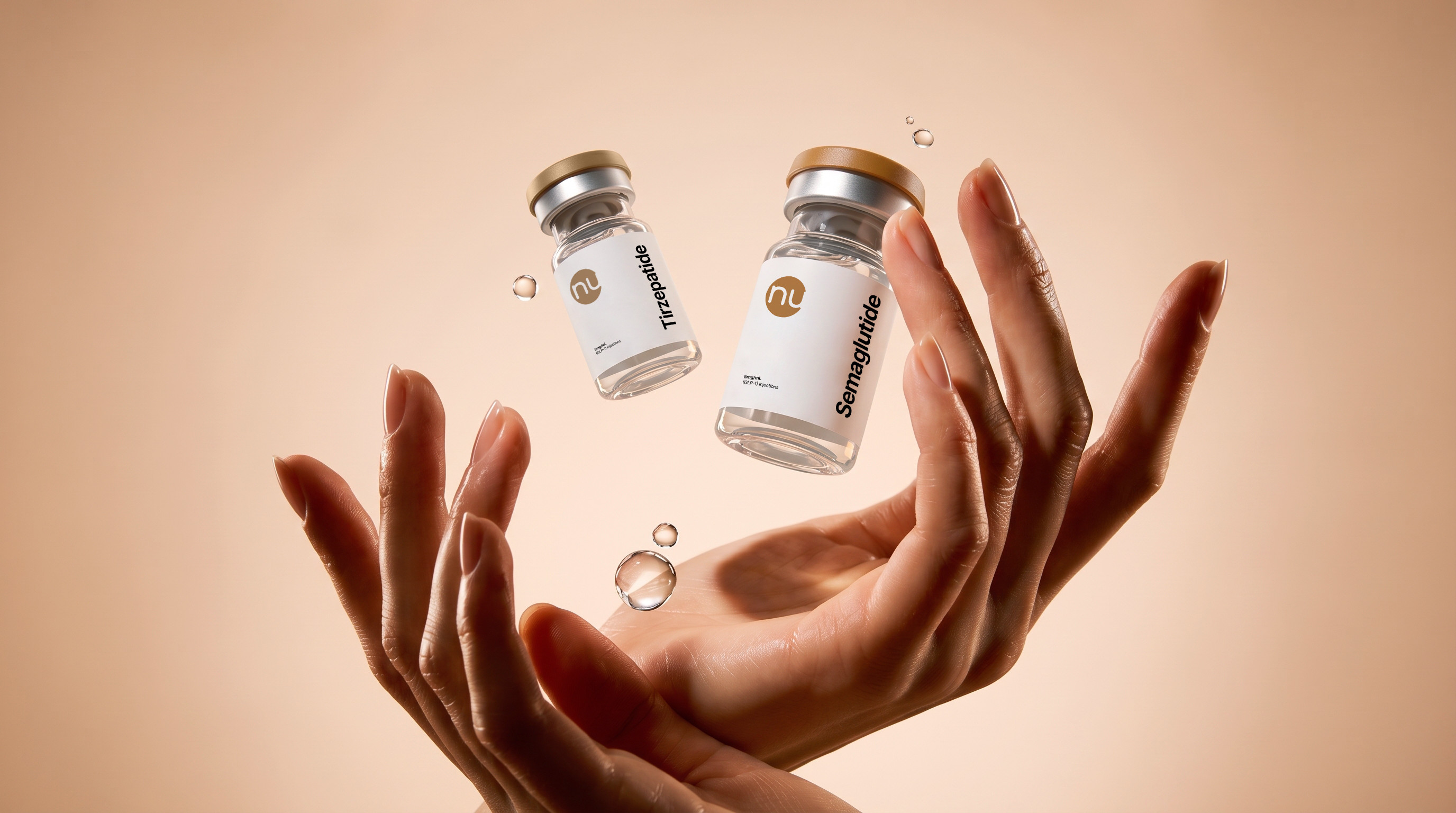
When standard dietary adjustments reach a physiological plateau, clinical diagnostic evaluation provides targeted clarity. Explore Nu Image Medical Weight Loss Programs to learn how comprehensive lab panels, licensed telehealth consultations, and medically supervised clinical protocols work synergistically to support sustainable body composition and metabolic health.
Disclaimer: This content is provided solely for educational and informational purposes and does not constitute medical advice, diagnosis, or treatment. It is not intended to replace consultation with a qualified healthcare provider. Always consult your physician before initiating significant modifications to your diet or exercise routine.
This article is for informational purposes only and does not constitute medical advice. The information contained herein is not a substitute for and should never be relied upon for professional medical advice. Always talk to your physician about the risks and benefits of any treatment. Nu Image Medical may not offer the medications or services mentioned in this article.