8 Clinical Strategies to Navigate Holiday Dining and Preserve Metabolic Health

8 Clinical Strategies to Navigate Holiday Dining and Preserve Metabolic Health
The holiday season often triggers a predictable cycle of dietary anxiety. Navigating multi-course family meals, celebratory cocktail parties, and an abundance of seasonal sweets leads many to adopt an unsustainable "all-or-nothing" approach—oscillating between rigid restriction and complete disinhibition.
In nutritional biochemistry, celebratory occasions do not have to disrupt weeks of metabolic consistency. By understanding the hormonal regulators of satiety, managing postprandial glucose dynamics, and implementing evidence-based behavioral boundaries, you can participate fully in festive traditions while preserving metabolic balance.
The Endocrinology of Holiday Feasting
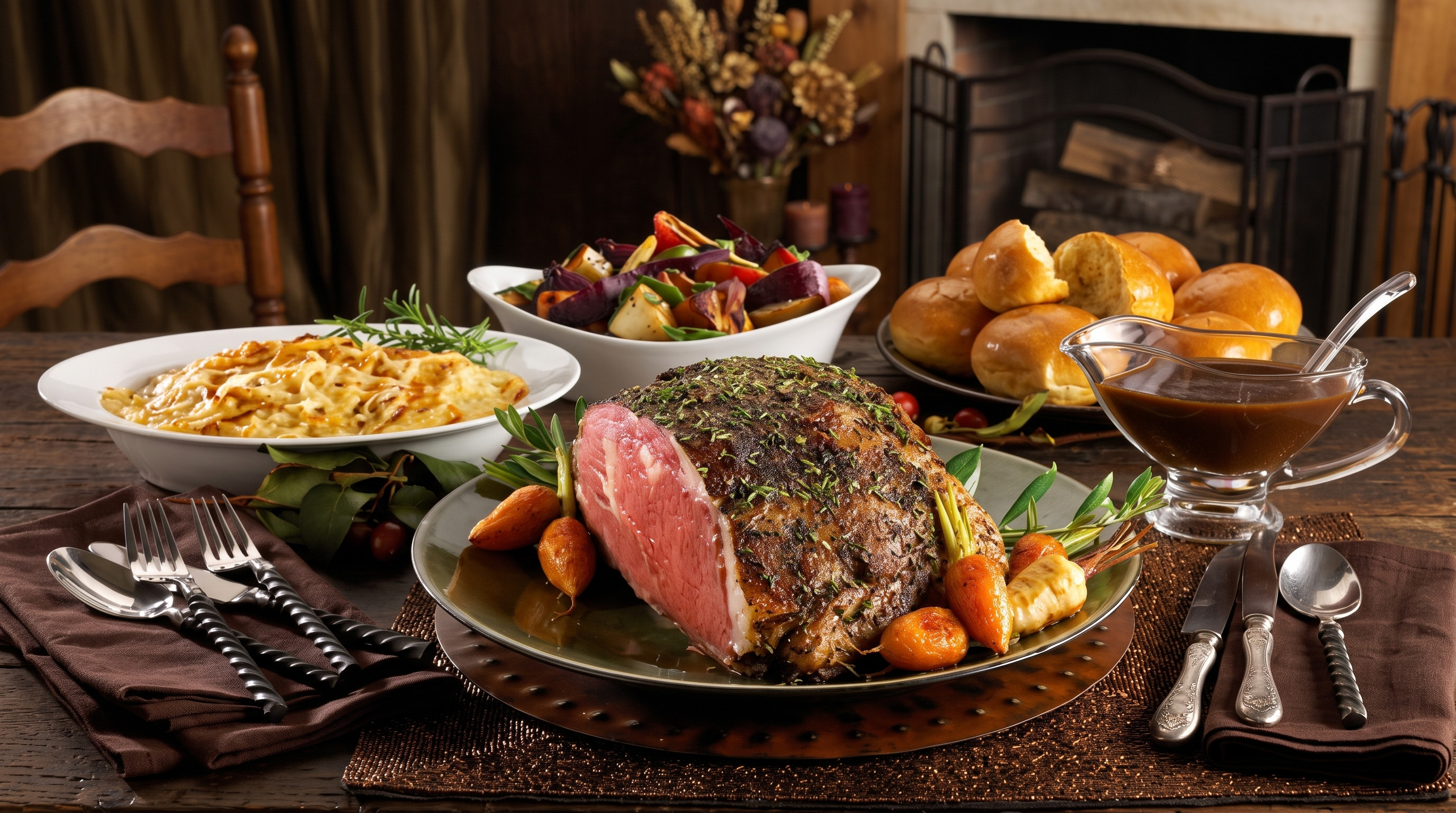
Holiday meals typically combine refined carbohydrates, simple sugars, and dense fats. This combination delays natural feedback from gut peptides while hyper-stimulating dopamine pathways in the central nervous system. Implementing intentional, structural eating habits preserves normal satiety signaling, preventing passive caloric overconsumption without requiring extreme measures.
1. Anchor Plate Composition Around Protein and Fiber
Rather than attempting to calculate precise calories at a buffet, focus on macronutrient architecture. Aim to dedicate roughly half of your plate to fibrous roasted or raw vegetables, one-quarter to complete bioavailable protein (such as roasted turkey, lean roast beef, or baked fish), and reserve the remainder for mindfully chosen traditional carbohydrates. Consuming fiber and protein first slows enzymatic starch breakdown and blunts rapid glucose spikes.
2. Recognize That Scale Fluctuations Reflect Water, Not Fat
Stepping on the scale daily during festive periods often leads to unnecessary panic. Consuming meals higher in sodium and carbohydrates replenishes glycogen stores, which bind approximately three to four grams of water per gram of carbohydrate. These immediate shifts represent intracellular hydration and fluid retention rather than rapid adipose accumulation. Maintaining consistency across the week matters far more than transient morning scale changes.
3. Maintain Consistent Non-Exercise Physical Activity
While rigorous gym sessions may be difficult to schedule during holiday travel, sustaining baseline movement remains critical. Low-intensity walking after celebratory meals stimulates skeletal muscle GLUT4 transporters, facilitating non-insulin-dependent glucose clearance from the bloodstream and improving postprandial glycemic control.
4. Optimize Pre-Meal Hydration
Holiday festivities often lead people to neglect basic fluid intake, and mild dehydration is easily misinterpreted by the hypothalamus as hunger. Drinking 16 ounces of water 20 to 30 minutes before a holiday gathering activates gastric mechanoreceptors, promoting early fullness and supporting healthy renal clearance.
5. Contribute a High-Nutrient Dish to Shared Gatherings
Attending potlucks and dinner parties does not require compromising your nutritional standards. Offering to bring a high-yield whole-food option—such as seasoned roasted Brussels sprouts with pecans, a crisp winter salad, or an herb-crusted tenderloin—ensures that a satisfying, nutrient-dense option is always on the table.
6. Prioritize Whole Fruits Over Refined Confections
When seeking sweet flavors between meals, choose fresh seasonal fruits like oranges, crisp pears, or wild berries. Whole fruits contain intrinsic cellular water and viscous fiber (such as pectin) that delay sugar absorption and deliver bioavailable vitamin C, providing sensory satisfaction without the glycemic crash associated with processed pastries.
7. Practice Deliberate Chewing and Satiety Awareness
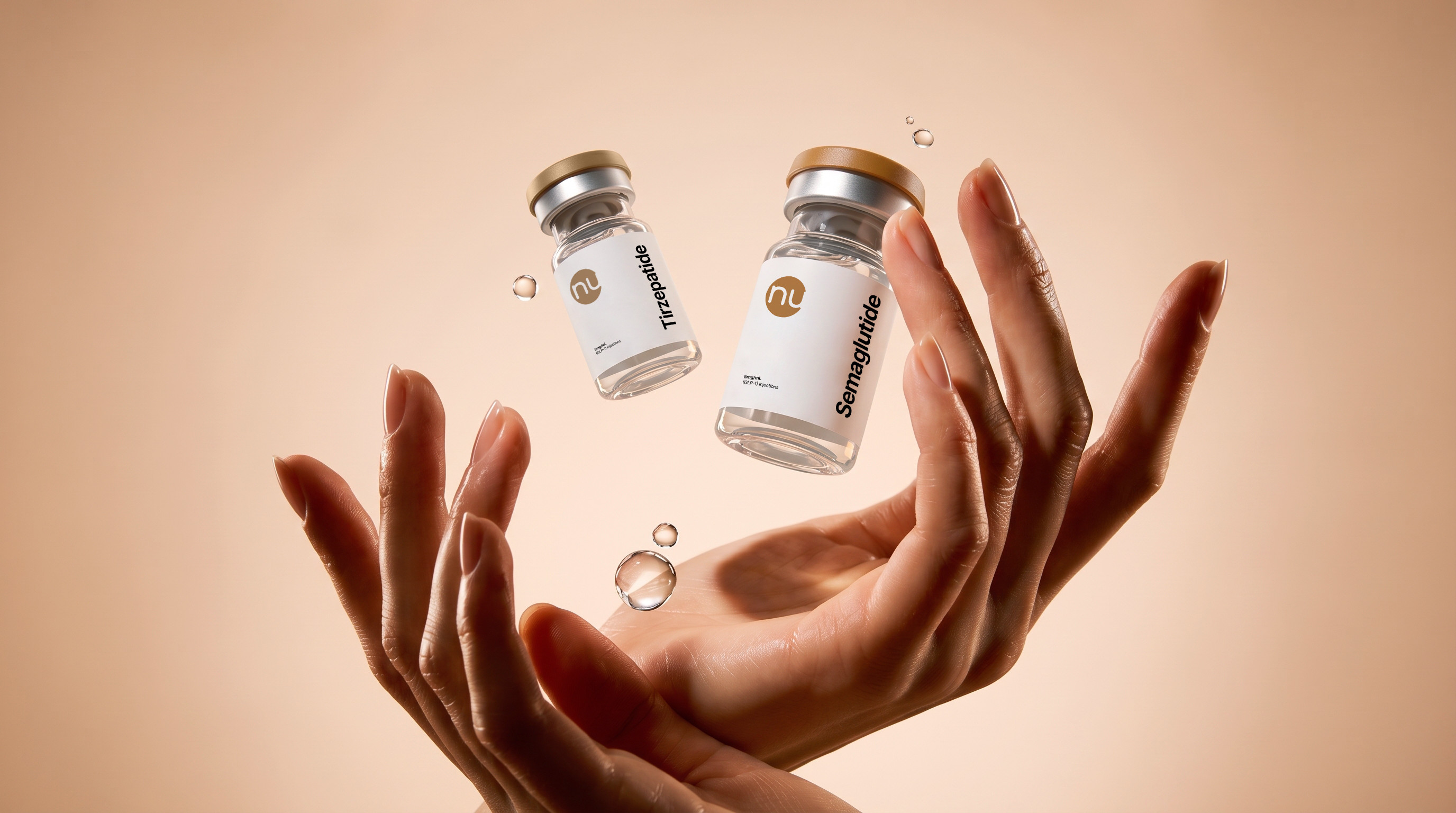
Intestinal satiety peptides, including peptide YY (PYY) and glucagon-like peptide-1 (GLP-1), require 15 to 20 minutes to communicate fullness to hypothalamic appetite centers. Eating slowly, engaging in conversation, and pausing before considering second helpings allows your neuroendocrine system adequate time to register biological fullness.
8. Moderate Liquid Sugars and Alcohol Consumption
Holiday beverages like eggnog, sweet cocktails, and dessert wines deliver concentrated, rapid-absorbing liquid sugars that bypass normal digestive satiety cues. Alternating festive drinks with sparkling water and citrus wedges maintains cellular hydration, protects sleep architecture, and prevents alcohol-induced disinhibition around food.
When Metabolic Hurdles Persist Beyond the Holidays
Implementing mindful nutritional and behavioral habits provides an essential framework for navigating festive seasons. However, when persistent weight retention, stubborn visceral adiposity, or constant appetite signaling persist despite disciplined lifestyle choices year-round, deeper endocrine adaptations—such as clinical insulin resistance, leptin desensitization, or thyroid variations—may be resisting your efforts.
When behavioral adjustments reach a physiological plateau, clinical diagnostic evaluation provides actionable answers. Explore Nu Image Medical Weight Loss Programs to learn how comprehensive metabolic testing, licensed telehealth consultations, and medically supervised clinical protocols work synergistically to restore neuroendocrine balance and long-term metabolic vitality.
Disclaimer: This content is provided solely for educational and informational purposes and does not constitute medical advice, diagnosis, or treatment. It is not intended to replace personalized consultation with a licensed healthcare provider. Always consult your physician before initiating significant modifications to your diet, exercise, or health regimen.
This article is for informational purposes only and does not constitute medical advice. The information contained herein is not a substitute for and should never be relied upon for professional medical advice. Always talk to your physician about the risks and benefits of any treatment. Nu Image Medical may not offer the medications or services mentioned in this article.