7 Evidence-Based Portion Control Strategies for Sustainable Weight Loss

7 Evidence-Based Portion Control Strategies for Sustainable Weight Loss
Managing portion sizes is one of the most effective behavioral foundations for long-term weight management. However, conventional dieting often reduces portion control to tedious calorie counting and constant hunger, which frequently triggers dietary fatigue and rebound overeating.
In clinical nutrition, effective portion control is not about eating microscopic servings of food; it is about strategically arranging the macronutrient composition and physical volume of your meals. By aligning portion sizing with the neuroendocrinology of satiety, you can naturally regulate caloric intake without enduring chronic hunger.
The Endocrinology of Satiety and Gastric Volume
The human stomach relies on two primary mechanisms to signal satiety to the hypothalamus:
-
Gastric Mechanoreceptors: Nerve endings embedded in the stomach wall detect physical stretching from food volume and fluid, transmitting fullness signals via the vagus nerve.
-
Chemoreceptor Peptide Release: The presence of dietary protein, viscous soluble fiber, and fatty acids triggers the secretion of satiety hormones—including peptide YY (PYY) and glucagon-like peptide-1 (GLP-1)—while down-regulating ghrelin, the primary hunger hormone.
1. Eliminate Ultra-Processed Snacks Between Meals
Snacking on hyper-palatable convenience foods rich in refined flours and added sugars causes sharp postprandial glucose spikes followed by reactive insulin drops. This glycemic volatility stimulates intense mid-day hunger signals, making mindful portion control at dinner significantly harder. Centering your routine around structured meals built on whole foods prevents these glycemic swings.
2. Pre-Load Meals with 16 Ounces of Water
Consuming approximately 500 mL (16 ounces) of water 20 to 30 minutes prior to a main meal expands gastric volume and activates mechanical stretch receptors before eating begins. Clinical studies demonstrate that pre-meal water consumption reduces acute mealtime caloric intake without compromising post-meal satisfaction.
3. Leverage the Delboeuf Illusion with Smaller Plateware
Visual cues profoundly influence food intake. The Delboeuf illusion shows that serving the same volume of food on a large dinner plate makes the portion appear sparse, prompting individuals to serve larger quantities to feel psychologically satisfied. Serving meals on standard 8- to 9-inch salad plates fills the visual field and helps align perceived fullness with biological needs.
4. Apply the Volumetric Vegetable Plate Method
Rather than artificially restricting plate size, fill half of your plate with non-starchy vegetables—such as roasted broccoli, steamed cauliflower, asparagus, or dark leafy greens. These foods offer high dietary water and insoluble fiber content, creating substantial gastric fullness at a low caloric density.
5. Anchor Portions Around Complete Bioavailable Protein
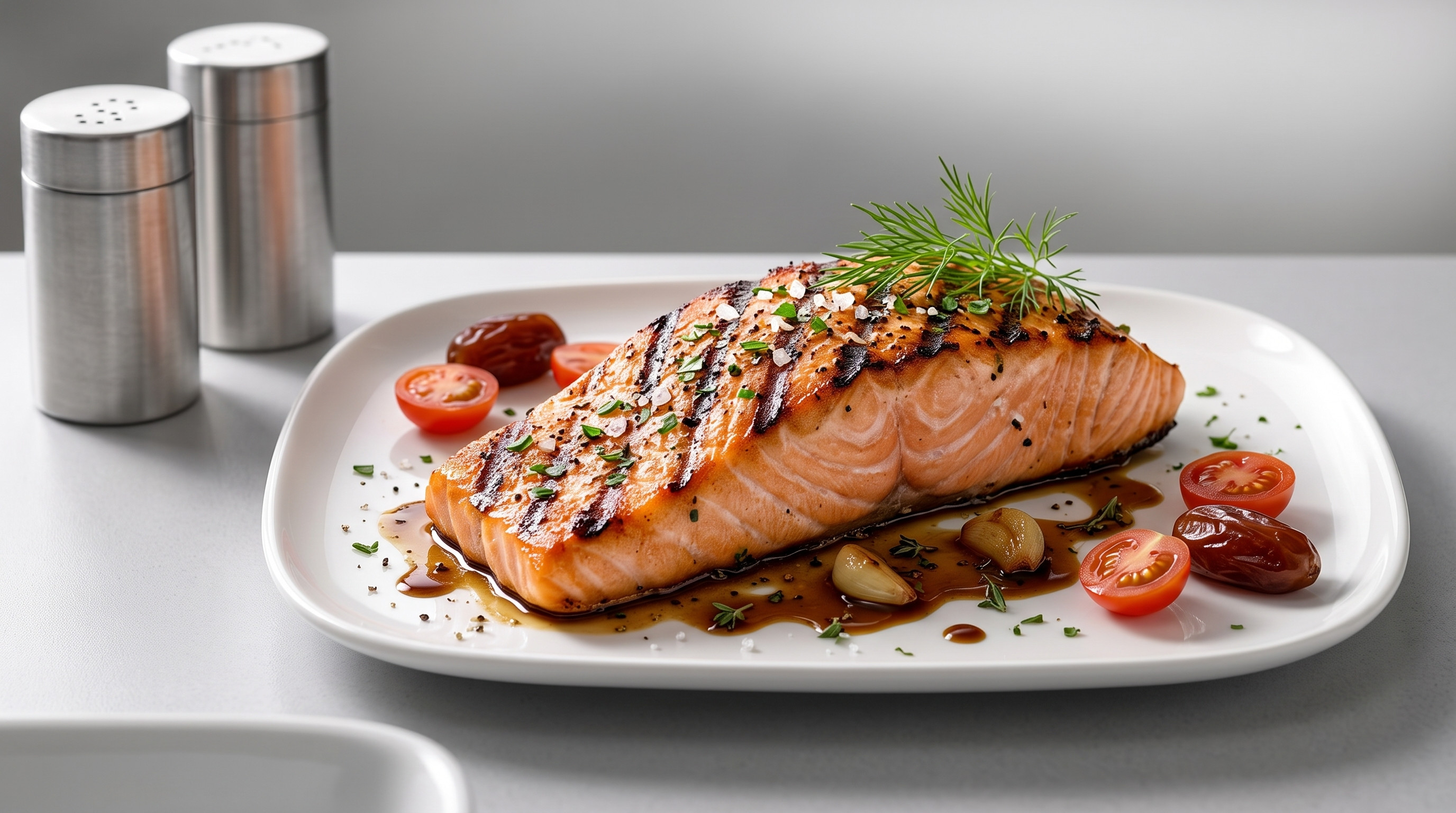
Increase the relative proportion of dietary protein (such as wild fish, pasture-raised poultry, eggs, or lean beef) to occupy roughly one-quarter of your plate. Protein carries the highest thermic effect of any macronutrient and stimulates sustained PYY and GLP-1 secretion, preventing premature gastric emptying and prolonged post-meal cravings.
6. Avoid Alcohol Consumption Prior to Meals
Consuming alcoholic beverages immediately before or during dining impairs executive impulse control and alters appetite signaling. Research indicates that alcohol suppresses leptin secretion and activates hunger-promoting AgRP neurons in the hypothalamus, increasing the likelihood of overconsuming calorie-dense starches and fats.
7. Utilize Objective Portion Awareness Tools
While chronic calorie tracking can create psychological friction, periodically weighing or measuring calorie-dense items—such as cooking oils, salad dressings, and nut butters—provides vital baseline awareness. Calorie-dense liquids and fats are easy to underestimate by hundreds of calories if portioned by eye alone.
When Portion Control Encounters Metabolic Hurdles
Implementing structured, satiety-driven portion strategies provides a reliable daily foundation. However, when persistent weight retention, unyielding metabolic plateaus, or insatiable appetite persist despite strict portion discipline, underlying endocrine factors—such as clinical insulin resistance, leptin desensitization, or thyroid variations—may be resisting your efforts.
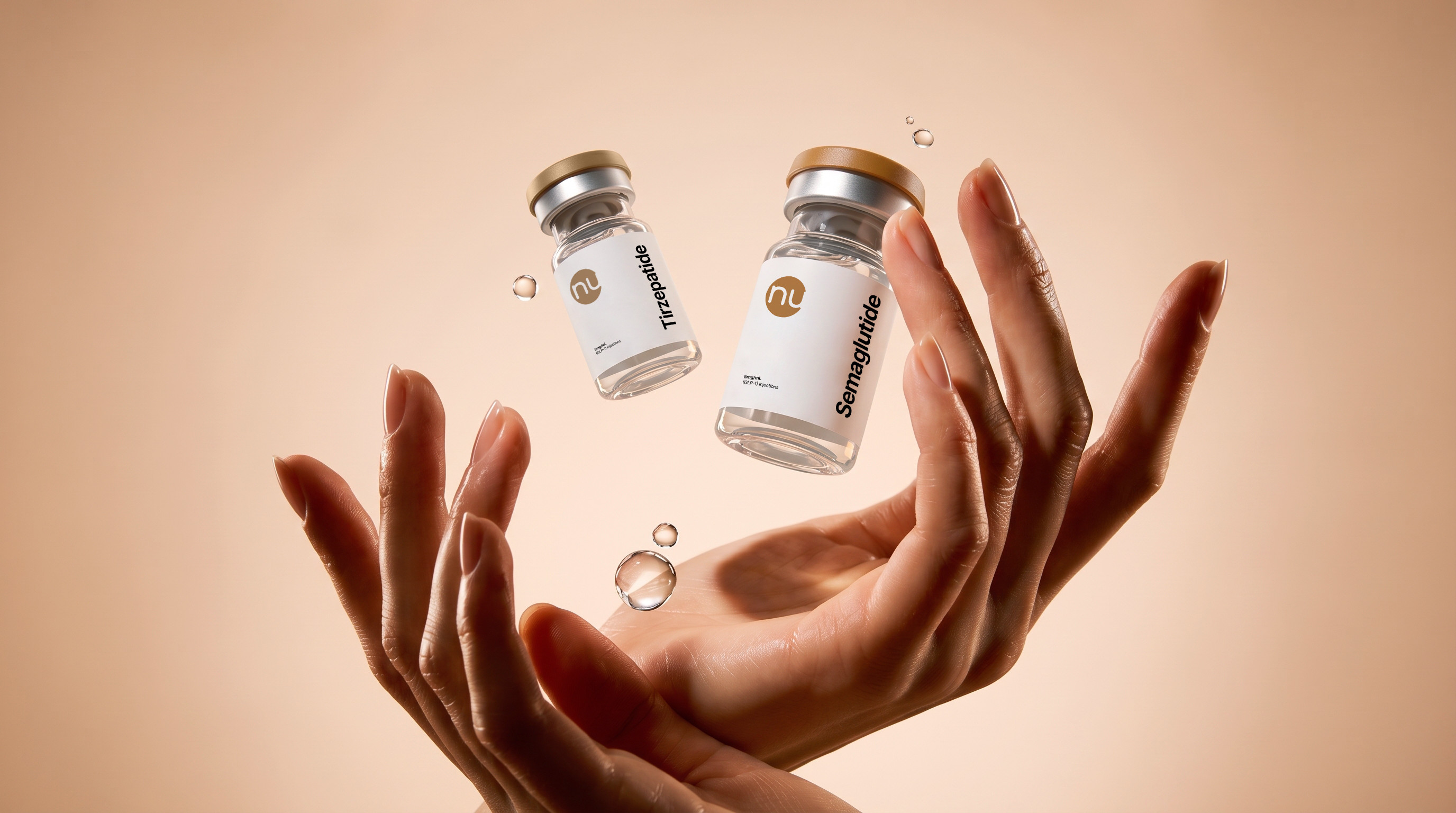
When behavioral modifications reach a physiological ceiling, comprehensive diagnostic evaluation provides actionable answers. Explore Nu Image Medical Weight Loss Programs to discover how detailed metabolic lab panels, licensed telehealth consultations, and medically supervised clinical protocols work synergistically to support lasting metabolic balance and body composition.
Disclaimer: This content is provided solely for educational and informational purposes and does not constitute medical advice, diagnosis, or treatment. It is not intended to replace consultation with a qualified healthcare provider. Always consult your physician before initiating significant modifications to your nutritional plan or managing metabolic conditions.
This article is for informational purposes only and does not constitute medical advice. The information contained herein is not a substitute for and should never be relied upon for professional medical advice. Always talk to your physician about the risks and benefits of any treatment. Nu Image Medical may not offer the medications or services mentioned in this article.