
7 Sustainable Habit Changes That Support Healthy Weight Loss

7 Sustainable Habit Changes That Support Healthy Weight Loss
Achieving long-term weight management is rarely about extreme, short-lived diet overhauls. Crash diets and severe caloric restrictions often fail because they disrupt metabolic hormones and prove unsustainable over time.
In contrast, focusing on practical, daily behavioral shifts establishes a strong foundation for steady progress. Implementing manageable nutritional and lifestyle adjustments helps regulate satiety signals, stabilize blood glucose, and build sustainable health routines.
Why Small Habit Adjustments Deliver Lasting Results
Metabolic health responds directly to cumulative daily patterns. Adjusting the quality of your hydration, prioritizing dietary protein, and supporting natural circadian rhythms reduce the biological friction often associated with weight management.
1. Replace Sugar-Sweetened Beverages with Calorie-Free Alternatives
Liquid carbohydrates—such as regular sodas, sweetened teas, and fruit juice cocktails—digest rapidly, providing minimal satiety while causing rapid postprandial glucose spikes. Transitioning to plain water, sparkling water infused with fresh citrus, or unsweetened herbal teas removes excess liquid calories without triggering cravings.
2. Prioritize Dietary Protein with Every Meal
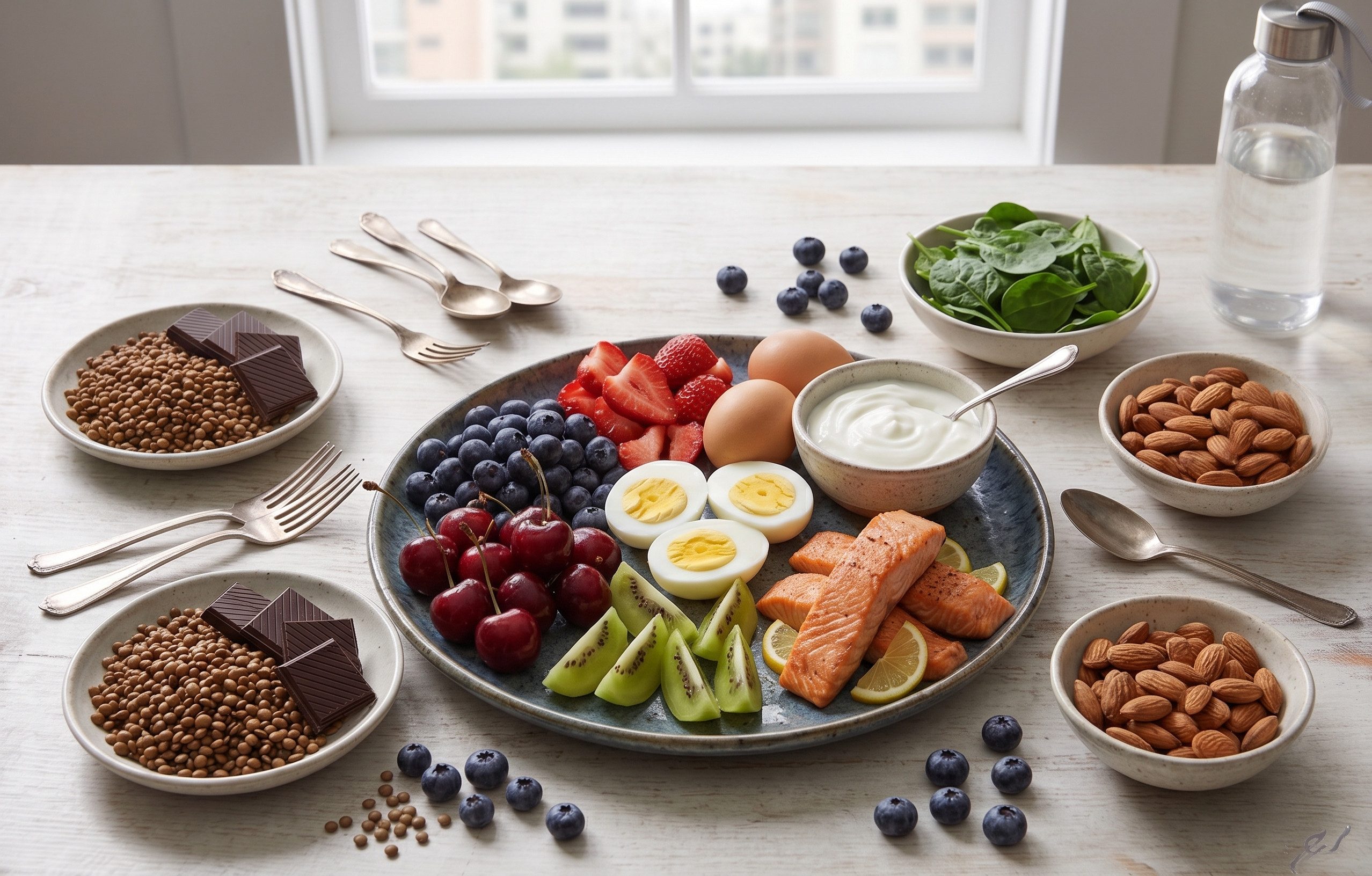
Dietary protein stimulates the release of satiety peptides (like peptide YY and GLP-1) while requiring more energy to digest than carbohydrates or fats (the thermic effect of food). Incorporating lean meats, eggs, fish, tofu, or Greek yogurt into daily meals supports lean muscle preservation and curbs unplanned snacking.
3. Build Meals Around Whole, Minimally Processed Foods
Ultra-processed foods are engineered for hyper-palatability, making portion awareness difficult. Shifting toward whole foods—such as lean proteins, colorful vegetables, legumes, and intact grains—supplies high fiber and micronutrient density, keeping you fuller on fewer total calories.
4. Enhance Meals with Natural Herbs and Spices
Utilizing culinary spices like cayenne, turmeric, black pepper, ginger, garlic, and cumin adds robust flavor to nutrient-dense dishes without relying on high-calorie, heavy cream sauces or added sugars.
5. Establish a Consistent, Restorative Sleep Schedule
Sleep deprivation elevates circulating ghrelin (the primary hunger hormone) and decreases leptin (the fullness hormone), while raising baseline cortisol. Prioritizing 7 to 8 hours of uninterrupted sleep nightly provides vital biological support for metabolic balance and appetite regulation.
6. Practice Mindful and Deliberate Eating
Eating in front of screens or rushing through meals disconnects you from internal fullness signals. Taking time to sit down, chew thoroughly, and pace your meals gives gastrointestinal satiety hormones the 15 to 20 minutes needed to signal the brain that you are satisfied.
7. Maintain Consistent Daily Hydration
Mild dehydration is frequently misinterpreted by the brain as hunger. Drinking a glass of water before meals supports gastric volume, aids digestive efficiency, and helps you gauge true physiological hunger cues more accurately.
When Lifestyle Habits Require Medical Guidance
While building sustainable daily habits provides an indispensable foundation, chronic metabolic resistance, severe hormonal imbalances, or thyroid variations can stall progress despite consistent effort.
When foundational lifestyle strategies need clinical reinforcement, comprehensive telehealth care provides clear direction. Explore Nu Image Medical Weight Loss Programs to discover how personalized lab evaluations, licensed physician consultations, and clinically supervised medical therapies work together to support your long-term wellness.
Disclaimer: This content is provided solely for educational and informational purposes and does not constitute medical advice, diagnosis, or treatment. It is not intended to replace consultation with a qualified healthcare professional. Always consult your physician before making substantial modifications to your diet or physical activity routine.
This article is for informational purposes only and does not constitute medical advice. The information contained herein is not a substitute for and should never be relied upon for professional medical advice. Always talk to your physician about the risks and benefits of any treatment. Nu Image Medical may not offer the medications or services mentioned in this article.