7 Active Hobbies That Support Healthy Weight Management and Daily Movement

7 Active Hobbies That Support Healthy Weight Management and Daily Movement
Structured gym workouts are effective, but they represent only a small portion of your total weekly physical activity. For many individuals, sustaining long-term exercise routines fails when movement feels like an obligation rather than an engaging experience.
Non-Exercise Activity Thermogenesis (NEAT)—the energy expended through everyday movement and active recreation—plays an essential role in daily metabolic expenditure. Integrating dynamic, enjoyable hobbies into your weekly routine elevates baseline activity levels, supports cardiovascular conditioning, and makes weight management sustainable.
The Power of Engaging, Habit-Based Movement
Adhering to physical activity long term relies heavily on personal enjoyment. Participating in recreational activities promotes dopamine release, improves stress resilience, and reduces sedentary screen time without the mental friction frequently associated with formal workouts.
1. Recreational Dance
Dance combines cardiovascular endurance, agility, and cognitive focus. Whether exploring salsa, ballroom, hip-hop, or dance-fitness classes, rhythmic movement engages major muscle groups, enhances coordination, and provides an invigorating aerobic workout that feels distinctly social and playful.
2. Community and Amateur Sports
Joining a recreational league—such as tennis, pickleball, soccer, basketball, or adult volleyball—introduces an engaging, competitive element to fitness. Team and partner sports involve unpredictable intervals of sprinting, lateral movement, and hand-eye coordination that keep workouts engaging.
3. Trail Hiking and Nature Walking
Hiking challenges the body across variable terrains and natural inclines, recruiting stabilizing muscles throughout the ankles, knees, and core that traditional flat-ground walking does not engage. Additionally, spending time in green environments is clinically observed to lower systemic cortisol levels, helping mitigate stress-related cravings.
4. Gardening and Functional Yard Work
Gardening involves functional bodyweight movements: squatting to weed, lifting soil bags, raking, and bending. These repetitive, low-impact tasks improve joint mobility, enhance grip strength, and provide steady caloric expenditure over extended periods outdoors.
5. Home Culinary Arts and Meal Preparation
Cultivating cooking as an active hobby transforms your nutritional habits. Preparing whole-food meals from scratch allows you to control ingredient quality, minimize ultra-processed additives, and reduce hidden sodium and oils common in restaurant dishes, while keeping you physically upright and moving around the kitchen.
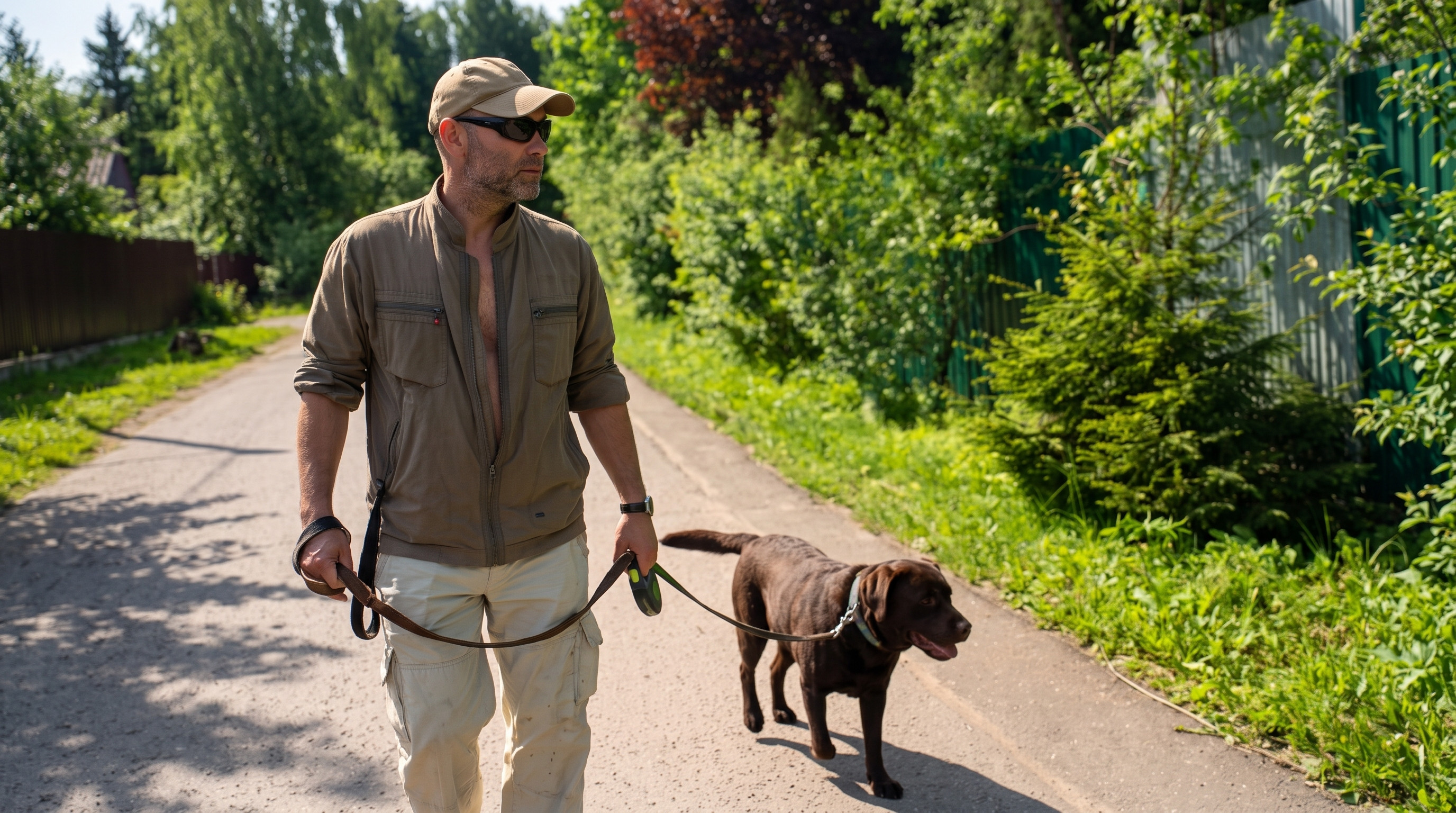
6. Daily Brisk Dog Walking or Neighborhood Exploration
Establishing a dedicated daily walking routine—whether accompanying a family pet or exploring local parks—provides a consistent, low-intensity steady-state (LISS) exercise base. Consistent daily steps support healthy postprandial glucose uptake and promote cardiovascular recovery.
7. Recreational Cycling
Cycling offers a low-impact cardiovascular workout that is gentle on knee and hip joints while building lower-body endurance in the quadriceps, hamstrings, and glutes. Exploring local bike trails or commuting on two wheels transforms practical travel into an active, calorie-burning hobby.
When Lifestyle Activity Meets Metabolic Resistance
Increasing daily movement through enjoyable hobbies establishes an outstanding foundation for overall well-being. However, when persistent weight retention, chronic fatigue, or joint discomfort persist despite an active lifestyle, underlying hormonal variations, thyroid imbalances, or insulin resistance may be at play.
When lifestyle habits reach a plateau, targeted clinical care provides the missing insight. Explore Nu Image Medical Weight Loss Programs to discover how comprehensive biomarker panels, dedicated medical oversight, and modern telehealth protocols work synergistically to support lasting metabolic health.
Disclaimer: This content is provided solely for educational and informational purposes and does not constitute medical advice, diagnosis, or treatment. It is not intended to replace consultation with a licensed healthcare provider. Always consult your physician before initiating new sports or significantly increasing physical activity levels.
This article is for informational purposes only and does not constitute medical advice. The information contained herein is not a substitute for and should never be relied upon for professional medical advice. Always talk to your physician about the risks and benefits of any treatment. Nu Image Medical may not offer the medications or services mentioned in this article.