
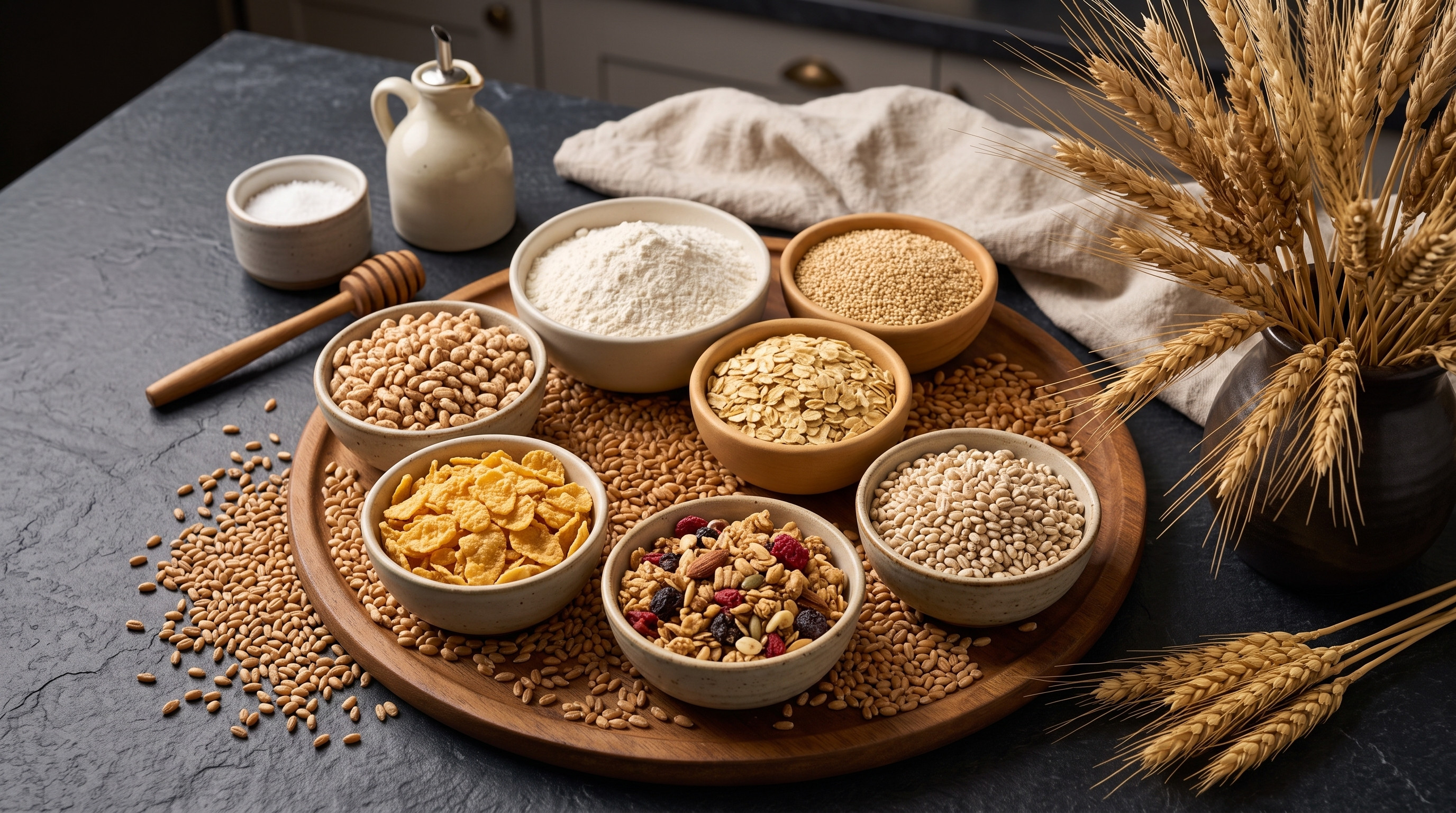
Grain Consumption and Metabolic Health: Carbohydrate Density, Satiety, and Insulin Response

Grain Consumption and Metabolic Health: Carbohydrate Density, Satiety, and Insulin Response
Carbohydrate intake—and grain consumption in particular—remains a central focus of metabolic research. While standard dietary guidelines frequently highlight whole grains as foundational sources of energy and fiber, many individuals living with metabolic resistance experience significant challenges when consuming grain-heavy diets.
Understanding how grains impact body composition requires looking past simplistic dietary dogmas. The human physiological response to grains depends heavily on the level of industrial processing, carbohydrate density, and individual baseline insulin sensitivity. Examining these biochemical mechanisms clarifies when moderating grain intake can serve as an effective clinical strategy.
The Endocrinology of Carbohydrate Density and Insulin Signaling
Grains are composed primarily of complex starches that are enzymatically hydrolyzed into glucose monomers by salivary and pancreatic amylase.
-
The Impact of Processing: Industrially refined flours—found in sandwich breads, commercial tortillas, and baked goods—lack the structural fiber matrix of whole seeds. They digest rapidly, precipitating steep postprandial blood glucose spikes.
-
Hyperinsulinemia and Lipolysis: In response to elevated circulating glucose, pancreatic beta cells secrete insulin to facilitate cellular uptake. Persistently high insulin levels suppress lipolysis (fat breakdown) and down-regulate hormone-sensitive lipase (HSL), shifting metabolic pathways toward lipid storage. For individuals with underlying insulin resistance, reducing dense carbohydrate sources helps alleviate chronic hyperinsulinemic pressure.
Evaluating Grain Compounds: Digestive Tolerance and Processing
Beyond macronutrient density, grains contain naturally occurring botanical compounds that can influence individual tolerance:
1. Phytic Acid and Mineral Chelation
Phytic acid serves as the primary phosphorus storage molecule in plant seeds. In the digestive tract, unbound phytates can bind to essential divalent minerals—such as zinc, iron, and magnesium—mildly attenuating their absorption. While phytates possess cellular antioxidant properties, traditional culinary techniques (such as extended soaking, sprouting, and sourdough fermentation) activate phytase enzymes to optimize digestibility.
2. Gluten and Gastrointestinal Barrier Integrity
Gluten is a composite storage protein found in wheat, rye, and barley. In patients with celiac disease or diagnosed non-celiac gluten sensitivity (NCGS), gluten ingestion triggers inflammatory cascades that compromise enterocyte tight junctions. However, for individuals without clinical gluten sensitivities, digestive tolerance varies widely, and total elimination should be guided by diagnostic symptoms rather than broad assumptions.
Clinical Criteria: When Does Reducing Grains Support Metabolic Health?
Nutritional requirements are dictated by individual metabolic phenotypes rather than rigid universal templates:
-
Patients with Insulin Resistance or Metabolic Syndrome: Individuals exhibiting elevated fasting insulin, increased HbA1c, or central visceral adiposity typically achieve greater glycemic stability by replacing dense grain products with fibrous non-starchy vegetables, wild berries, and lean proteins.
-
Athletic and Metabolically Flexible Individuals: Those with high skeletal muscle insulin sensitivity and regular glycogen depletion can efficiently clear grain-derived glucose into muscle tissue with minimal lipogenic risk.
Practical Approaches for Navigating Grains
-
Emphasize Intact, Unmilled Grains: Choose intact grains—such as quinoa, steel-cut oats, and wild rice—over pulverized commercial flour products to preserve natural cellular structure.
-
Practice Macronutrient Sequencing: Avoid consuming carbohydrates in isolation. Pairing grains with complete proteins and healthy fats delays gastric emptying and flattens postprandial glucose curves.
-
Prioritize Low-Glycemic Produce for Dietary Volume: Achieve fullness by filling half your plate with fibrous cruciferous vegetables and dark leafy greens, maximizing physical satiety on lower caloric and carbohydrate loads.
When Carbohydrate Restriction Encounters Metabolic Hurdles
Moderating grain intake and prioritizing nutrient-dense whole foods establishes an essential foundation for metabolic health. However, when persistent weight retention, stubborn visceral fat, or metabolic fatigue persist despite consistent dietary discipline, deeper endocrine hurdles—such as clinical insulin resistance, leptin desensitization, or thyroid variations—may be resisting your efforts.
When nutritional adjustments reach a physiological plateau, clinical diagnostic evaluation provides actionable answers. Explore Nu Image Medical Weight Loss Programs to learn how comprehensive metabolic testing, licensed telehealth consultations, and medically supervised clinical protocols work synergistically to restore neuroendocrine balance and long-term metabolic vitality.
Disclaimer: This content is provided solely for educational and informational purposes and does not constitute medical advice, diagnosis, or treatment. It is not intended to replace personalized consultation with a licensed healthcare provider. Always consult your physician before initiating significant modifications to your diet, exercise, or health regimen.
This article is for informational purposes only and does not constitute medical advice. The information contained herein is not a substitute for and should never be relied upon for professional medical advice. Always talk to your physician about the risks and benefits of any treatment. Nu Image Medical may not offer the medications or services mentioned in this article.