
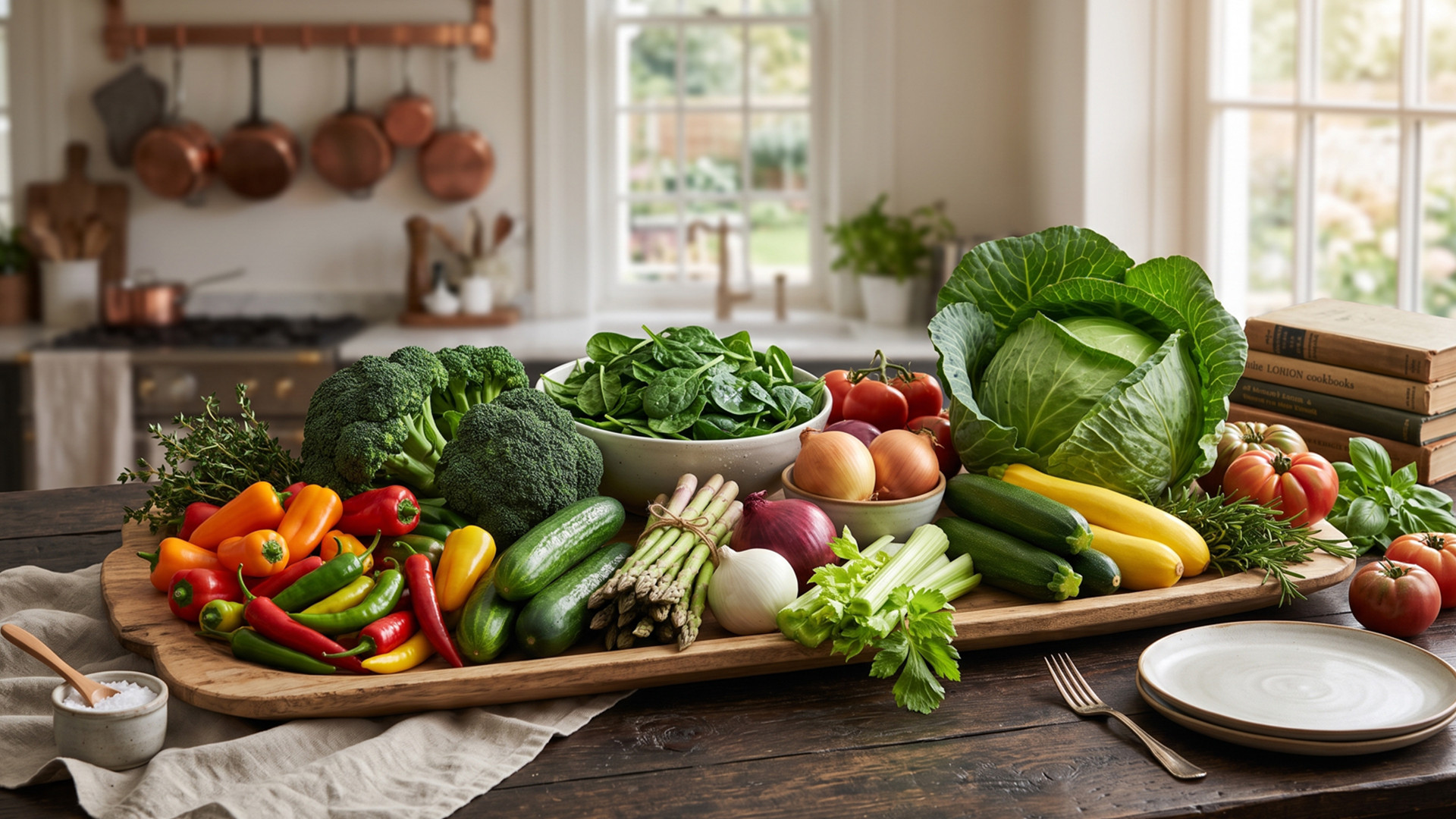
10 Nutrient-Dense Vegetables That Optimize Satiety and Metabolic Health

10 Nutrient-Dense Vegetables That Optimize Satiety and Metabolic Health
In clinical weight management and metabolic medicine, non-starchy vegetables serve as the foundation of volumetric nutrition. While restrictive dieting often focuses heavily on deprivation, volumetric eating emphasizes increasing the physical mass and fiber density of meals while keeping overall caloric density exceptionally low.
Incorporating a diverse spectrum of fibrous vegetables provides essential bioflavonoids, cellular hydration, and prebiotic substrates. By understanding how the cellular matrix of whole vegetables influences gastric emptying and gut peptide secretion, you can manage appetite naturally and support long-term metabolic flexibility.
The Endocrinology of Volumetric Vegetables and Satiety
The human gastrointestinal tract regulates appetite via two primary neurological pathways:
-
Mechanical Gastric Distension: Insoluble dietary fiber and high water content physically expand the gastric lumen. This stretches mechanoreceptors in the stomach lining, which transmit fullness signals to the hypothalamus via the vagus nerve.
-
Short-Chain Fatty Acid (SCFA) Production: Soluble dietary fibers undergo bacterial fermentation in the colon, producing SCFAs (such as acetate, propionate, and butyrate). These microbial metabolites stimulate the enteroendocrine release of satiety peptides, including peptide YY (PYY) and glucagon-like peptide-1 (GLP-1).
1. Sweet and Chili Peppers (Capsaicinoids and Vitamin C)
Bell peppers and mild chili varieties are rich in bioavailable vitamin C, carotenoids, and capsaicinoids (such as capsaicin and dihydrocapsiate). These bioactive compounds provide mild thermogenic support, stimulate sympathetic nervous system tone, and enhance dietary flavor profiles without requiring added sugars or caloric sauces.
2. Crisp Cucumbers (Cellular Hydration and High-Volume Satiety)
Composed of approximately 95% water, cucumbers offer very low caloric density per physical volume. Consuming sliced cucumbers with meals contributes substantial bulk to the digestive tract, activating gastric stretch receptors and promoting early meal satiety on minimal calories.
3. Cruciferous Broccoli (Glucosinolates and Viscous Fiber)
Broccoli is a nutritional powerhouse supplying dense insoluble fiber, vitamin K, and glucoraphanin—the enzymatic precursor to sulforaphane. Sulforaphane activates the Nrf2 cellular defense pathway, supporting endogenous antioxidant enzyme synthesis and hepatic cellular health during caloric restriction.
4. Dark Leafy Spinach (Nitrates, Lutein, and Micronutrient Density)
Spinach provides an exceptional concentration of essential micronutrients—including dietary folate, magnesium, non-heme iron, and fat-soluble vitamins—on virtually negligible calories. Natural dietary nitrates found in dark leafy greens also support vascular endothelial function and nitric oxide bioavailability.
5. Fresh Asparagus (Inulin and Asparagine)
Asparagus stalks deliver structural prebiotic fiber, predominantly inulin. Inulin resists upper digestive hydrolysis, moving intact into the large intestine where it selectively nourishes beneficial gut microbiota. Asparagus also supplies the amino acid asparagine, which supports cellular metabolic processes.
6. Whole Allium Onions (Quercetin and Prebiotic Fructans)
Onions, shallots, and scallions are rich in organosulfur compounds and quercetin, a potent bioflavonoid associated with vascular protection and metabolic health. Their high fructan content supports intestinal microbial diversity, while their savory profile enhances satiety without industrial flavor additives.
7. Crisp Celery (Electrolytes and Structural Cellulose)
Celery consists primarily of structured cellular water, bioavailable electrolytes (such as potassium), and rigid insoluble cellulose. While the popular concept of "negative-calorie foods" is physiologically inaccurate, chewing crisp fibrous vegetables like celery increases cephalic-phase digestive signaling and provides gastric distension for minimal energy cost.
8. Green Zucchini (Soluble Pectin and Culinary Versatility)
Zucchini offers low carbohydrate density paired with soluble pectin, which forms a gentle viscous gel within the digestive tract. Its neutral flavor and malleable texture make it an ideal volumetric alternative to refined grain starches when spiralized into noodles or roasted into vegetable medleys.
9. Yellow Summer Squash (Carotenoids and Low Glycemic Load)
Similar to zucchini, yellow summer squash provides lutein, zeaxanthin, and bioavailable potassium with an exceptionally low glycemic impact. Incorporating roasted squash into meals adds visual variety and cellular water, slowing the rate of gastric emptying.
10. Shredded Cabbage (Dietary Fiber and Fermentation Potential)
Whether consumed raw in slaws or naturally fermented into sauerkraut, cabbage provides high concentrations of dietary fiber, vitamin C, and glucosinolates. Fermented cabbage delivers live probiotic cultures that support gastrointestinal barrier integrity and gut microbiome equilibrium.
When Nutritional Upgrades Encounter Metabolic Hurdles
Constructing meals around high-volume, non-starchy vegetables provides an indispensable daily foundation for general wellness. However, when persistent weight retention, stubborn visceral adiposity, or uncontrollable appetite signaling persist despite clean whole-food nutrition, deeper endocrine adaptations—such as clinical insulin resistance, leptin desensitization, or thyroid variations—may be resisting your efforts.
When dietary modifications reach a physiological plateau, clinical diagnostic evaluation provides actionable answers. Explore Nu Image Medical Weight Loss Programs to learn how comprehensive metabolic testing, licensed telehealth consultations, and medically supervised clinical protocols work synergistically to restore neuroendocrine balance and long-term metabolic health.
Disclaimer: This content is provided solely for educational and informational purposes and does not constitute medical advice, diagnosis, or treatment. It is not intended to replace personalized consultation with a licensed healthcare provider. Always consult your physician before initiating significant modifications to your diet, exercise, or health regimen.
This article is for informational purposes only and does not constitute medical advice. The information contained herein is not a substitute for and should never be relied upon for professional medical advice. Always talk to your physician about the risks and benefits of any treatment. Nu Image Medical may not offer the medications or services mentioned in this article.