
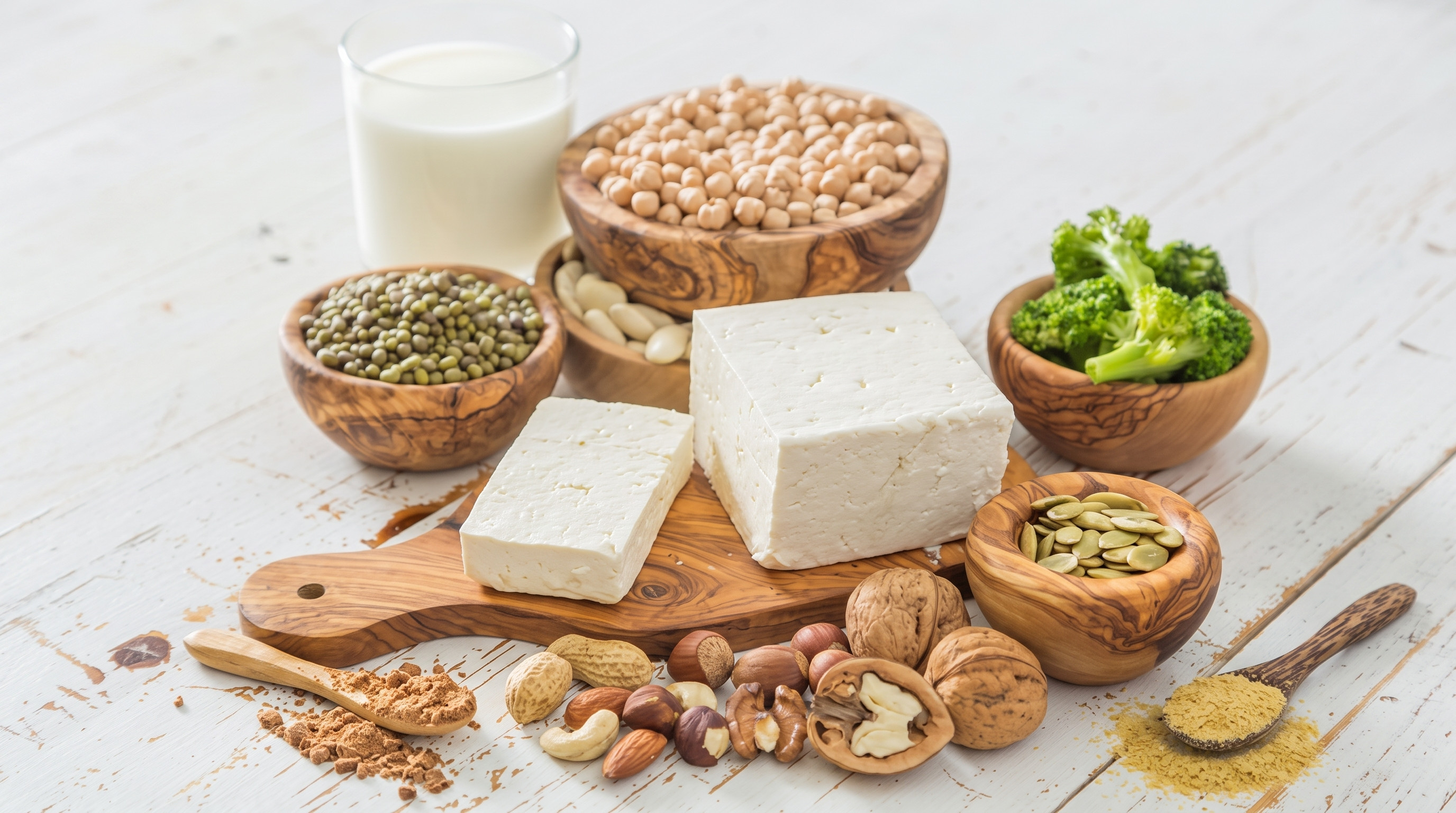
Optimizing Plant-Based Protein: Amino Acid Kinetics, Bioavailability, and Lean Mass Retention

Optimizing Plant-Based Protein: Amino Acid Kinetics, Bioavailability, and Lean Mass Retention
Sustaining adequate dietary protein is one of the most critical nutritional challenges for individuals adopting a plant-forward or vegetarian dietary regimen. While protein is widely abundant across botanical sources, achieving optimal metabolic health, cellular repair, and lean tissue preservation requires an understanding of amino acid kinetics and digestive bioavailability.
Consuming protein solely to meet gross caloric thresholds often overlooks the quality and composition of ingested peptides. Meeting the body's daily requirements involves delivering all nine essential amino acids (EAAs) in sufficient concentrations to stimulate muscle protein synthesis and maintain systemic metabolic efficiency.
The Endocrinology of Protein Kinetics and Amino Acid Profiling
Proteins serve as structural scaffolds, enzymatic drivers, and signaling molecules across every physiological system:
-
The Leucine Trigger and mTOR Activation: Skeletal muscle protein synthesis (MPS) is initiated when circulating concentrations of the essential branched-chain amino acid leucine cross a biological threshold (approximately 2.5 to 3.0 grams per meal). This activates the mechanistic target of rapamycin complex 1 (mTORC1) pathway.
-
Bioavailability and Digestibility Scores: Plant proteins naturally contain anti-nutritional factors (such as phytates and protease inhibitors) and rigid fiber cell walls that reduce gastrointestinal absorption. Clinical scoring systems, like the Digestible Indispensable Amino Acid Score (DIAAS), highlight that plant sources often require higher total servings to deliver equivalent bioavailable amino acids compared to intact animal proteins.
-
Complementary Amino Acid Pools: The historical belief that complementary plant proteins must be consumed simultaneously in a single meal is scientifically outdated. The human body maintains a dynamic endogenous pool of free amino acids. Consuming varied protein sources throughout a 24-hour cycle reliably meets metabolic demands.
Nutrient-Dense Protein Sources for Plant-Forward Regimens
1. Minimally Processed Soy (Tofu, Tempeh, and Edamame)
Soy represents one of the few single plant sources that delivers a complete essential amino acid profile with a high protein digestibility score. Firm tofu supplies approximately 10 to 12 grams of protein per half-cup, while fermented tempeh provides roughly 15 to 20 grams alongside natural prebiotic fibers that support gut microbiome integrity.
2. High-Protein Fermented Dairy (Unsweetened Greek Yogurt)
For lacto-vegetarians, strained Greek yogurt provides an exceptional ratio of protein to total energy, yielding roughly 15 to 17 grams of high-biological-value protein per serving. Its natural matrix of whey and slow-digesting micellar casein supports immediate and sustained systemic amino acid delivery without provoking sharp glycemic fluctuations.
3. Isolated Wheat Protein (Seitan)
Seitan is derived from wheat gluten and offers substantial protein density, yielding up to 21 grams of protein per third-cup serving. Because it is naturally low in the essential amino acid lysine, pairing seitan with lysine-dense legumes or soy throughout the day ensures a balanced daily amino acid profile.
4. High-Yield Legumes (Lentils and Black Beans)
Legumes provide approximately 13 to 18 grams of protein per cooked cup, accompanied by substantial soluble fiber and cellular minerals like potassium and non-heme iron. Their slow gastrointestinal breakdown stimulates gut satiety peptides (GLP-1 and PYY), moderating postprandial appetite signaling.
5. Whole Grain Pseudocereals (Quinoa)
Quinoa provides approximately 8 grams of complete protein per cooked cup. Unlike refined grains, quinoa maintains a favorable balance of all nine essential amino acids alongside magnesium, zinc, and bioflavonoids, making it an excellent base for high-protein meal assemblies.
6. Raw Almonds and Tree Nuts
Almonds deliver 6 grams of protein per one-ounce serving, bound within a matrix of monounsaturated fatty acids, dietary fiber, and alpha-tocopherol (vitamin E). While energy-dense, tree nuts support satiety signaling and provide essential mineral cofactors for metabolic enzymes.
Strategic Principles for Plant-Based Protein Consumption
-
Adjust for Digestibility Constraints: Because botanical protein exhibits lower intestinal absorption than isolated albumin or whey, consider targeting 1.2 to 1.6 grams of protein per kilogram of body weight daily during maintenance, and 1.6 to 2.2 grams/kg during intentional caloric restriction.
-
Distribute Feedings Evenly: Rather than consuming the bulk of your protein in an evening meal, distribute intake across three to four discrete meals to stimulate muscle protein synthesis repeatedly throughout the day.
-
Screen for Hidden Excipients: When selecting packaged plant-based meat substitutes, review ingredient labels to avoid excess sodium, refined seed oils, and artificial texturizers that introduce unwanted metabolic stress.
When Plant-Based Nutrition Encounters Metabolic Plateaus
Balancing plant-derived amino acid sources and optimizing nutritional quality provides an essential foundation for long-term health. However, when persistent muscle loss, chronic fatigue, or unexpected metabolic slowdown occur despite meticulous dietary planning, deeper systemic variations—such as subclinical micronutrient deficiencies, thyroid shifts, or altered insulin dynamics—may require clinical attention.
When lifestyle protocols reach a biological plateau, clinical diagnostic evaluation provides actionable answers. Explore Nu Image Medical Weight Loss Programs to learn how comprehensive metabolic testing, licensed telehealth consultations, and physician-supervised protocols work synergistically to protect lean tissue, optimize body composition, and restore long-term metabolic health.
Disclaimer: This content is provided solely for educational and informational purposes and does not constitute medical advice, diagnosis, or treatment. It is not intended to replace personalized consultation with a licensed healthcare provider. Always consult your physician before initiating significant modifications to your diet, exercise, or health regimen.
This article is for informational purposes only and does not constitute medical advice. The information contained herein is not a substitute for and should never be relied upon for professional medical advice. Always talk to your physician about the risks and benefits of any treatment. Nu Image Medical may not offer the medications or services mentioned in this article.