
12 Evidence-Based Strategies to Manage Food Cravings and Appetite

12 Evidence-Based Strategies to Manage Food Cravings and Appetite
Intense food cravings are among the most common obstacles to sustainable weight management. Rather than reflecting a lack of willpower, recurring urges to consume hyper-palatable foods are primarily driven by complex neurochemical signaling, circadian disruptions, or erratic postprandial glucose fluctuations.
Learning to decode these physiological and psychological cues enables you to implement proactive behavioral strategies. By stabilizing blood sugar and supporting natural satiety pathways, you can break automatic craving cycles and foster consistent metabolic wellness.
The Neurobiology of Food Cravings
Unlike true physiological hunger—which develops gradually and can be satisfied by any nourishing whole food—cravings typically emerge suddenly and target energy-dense foods rich in refined starches, sugar, and fat. These foods stimulate rapid dopamine pathways in the brain's reward center. Addressing cravings requires balancing metabolic energy availability with mindful behavioral adjustments.
1. Hydrate with Still or Sparkling Water
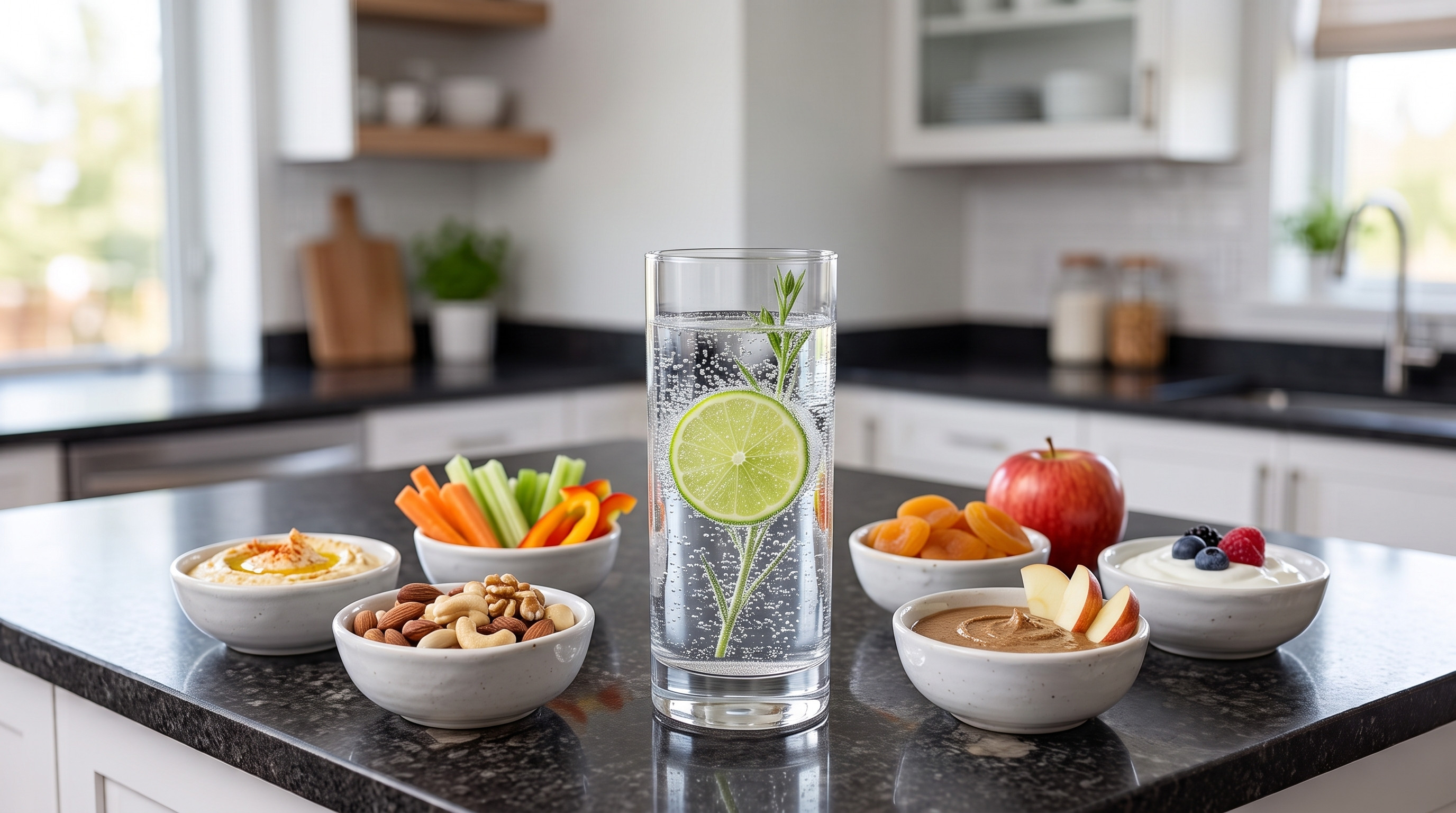
Mild dehydration frequently manifests as premature fatigue or false hunger signals in the hypothalamus. Drinking a tall glass of still or sparkling water with a squeeze of fresh lime hydrates cellular tissues and creates gentle gastric distension, helping clarify true physiological hunger.
2. Utilize Sugar-Free Chewing Gum
Chewing sugar-free or stevia-sweetened mint gum stimulates oral mechanoreceptors and increases salivary flow. This small sensory cue provides a transition signal that helps interrupt habitual, mindless grazing loops after meals.
3. Remove Trigger Foods from Direct Sight
Visual cues strongly activate hedonic appetite pathways. Storing ultra-processed, highly palatable snacks in opaque containers or away from immediate counter spaces creates valuable physical friction, giving you time to make a deliberate choice.
4. Keep Nutrient-Dense Snacks Readily Accessible
When real physical hunger arises between structured meals, accessibility determines nutritional quality. Having pre-portioned raw almonds, fresh berries, hard-boiled eggs, or sliced crisp vegetables on hand ensures convenient, nutrient-dense nourishment.
5. Prioritize Dietary Protein at Every Meal
Protein has the highest thermic effect of all macronutrients and effectively triggers satiety peptides (including GLP-1 and peptide YY). Structuring meals around lean poultry, wild fish, eggs, tofu, or Greek yogurt provides sustained amino acid delivery, blunting subsequent cravings.
6. Incorporate Healthy Monounsaturated Lipids
Healthy dietary fats—such as extra virgin olive oil, avocados, walnuts, and seeds—slow gastric emptying. This delayed intestinal transit moderates the absorption of carbohydrates, preventing the sharp post-meal glucose drops that trigger mid-afternoon cravings.
7. Enjoy Unsweetened Herbal Teas
Brewing a hot cup of peppermint, chamomile, or ginger tea provides a calming oral sensation without added calories. The aromatic warmth provides sensory satisfaction during typical evening craving windows.
8. Moderate Coffee Consumption
Black coffee naturally contains caffeine and polyphenols that can provide mild, temporary appetite blunting and focus. Enjoy coffee in moderation during morning hours, avoiding excessive afternoon caffeine that could disturb nocturnal sleep.
9. Take a 10-Minute Brisk Walk
Physical movement alters brain neurochemistry. Taking a brief walk outdoors shifts mental focus away from food cues, encourages circulation, and supports glucose uptake into active muscle beds.
10. Prioritize 7 to 8 Hours of Quality Sleep
Sleep restriction significantly disrupts metabolic endocrinology: it drives up circulating ghrelin (the primary hunger hormone) while lowering leptin (the fullness hormone). Protecting restorative sleep provides biological defense against intense carbohydrate cravings the following day.
11. Emphasize High-Volume, High-Fiber Foods
Non-starchy vegetables—such as broccoli, leafy greens, peppers, and cucumbers—contain high water and viscous fiber volume. Consuming high-volume foods fills gastric space, sending mechanical satiety signals to the brain on fewer calories.
12. Practice the Mindful Pause
Before reaching for an unplanned snack, pause for 60 seconds to assess your internal state. Ask whether the urge is driven by genuine physiological hunger, stress, fatigue, or boredom. Identifying the underlying emotion allows you to address the actual need directly.
When Cravings Signal Metabolic Resistance
Developing behavioral strategies and prioritizing whole foods establishes an indispensable daily foundation. However, when relentless food cravings, intense appetite swings, or stubborn weight plateaus persist despite consistent lifestyle efforts, deeper metabolic hurdles—such as clinical insulin resistance, leptin resistance, or neuroendocrine variations—may be driving the cycle.
When daily lifestyle changes encounter a physiological plateau, comprehensive clinical guidance provides targeted answers. Explore Nu Image Medical Weight Loss Programs to discover how detailed metabolic assessments, licensed telehealth consultations, and medically supervised protocols work together to support lasting metabolic balance.
Disclaimer: This content is provided solely for educational and informational purposes and does not constitute medical advice, diagnosis, or treatment. It is not intended to replace consultation with a licensed healthcare provider. Always consult your physician before initiating significant modifications to your nutritional plan.
This article is for informational purposes only and does not constitute medical advice. The information contained herein is not a substitute for and should never be relied upon for professional medical advice. Always talk to your physician about the risks and benefits of any treatment. Nu Image Medical may not offer the medications or services mentioned in this article.