
Pre-Meal Loading Strategies: How Volumetric Foods Optimize Satiety and Caloric Intake

Pre-Meal Loading Strategies: How Volumetric Foods Optimize Satiety and Caloric Intake
In nutritional science, pre-meal loading—consuming a structured, low-energy-density whole food 15 to 20 minutes before a primary meal—is an established behavioral intervention for managing caloric intake. Rather than arriving at meals in a state of acute hunger that compromises executive impulse control, pre-loading activates early gastrointestinal satiety cascades.
Consuming high-volume, fiber-rich, and water-dense foods prior to dining initiates mechanical stomach expansion and stimulates gut peptide secretion. This blunts immediate appetite, flattens postprandial glycemic excursions, and prevents accidental overconsumption during the main course.
The Endocrinology of Pre-Meal Satiety and Gastric Stretch
The human gastrointestinal tract coordinates satiety through mechanical and neuroendocrine mechanisms:
-
Mechanoreceptor Activation: Physical volume and cellular water expand the gastric lumen, stretching mechanoreceptors in the stomach lining that signal fullness to hypothalamic appetite centers via the vagus nerve.
-
Gut Satiety Peptide Secretion: Viscous soluble fiber (such as pectin) and digestive bulk stimulate enteroendocrine cells to release peptide YY (PYY) and glucagon-like peptide-1 (GLP-1), while accelerating the postprandial decline of the hunger hormone ghrelin.
Evidence-Based Pre-Meal Loading Options
1. Fresh Grapefruit (Volumetric Hydration and Naringin)
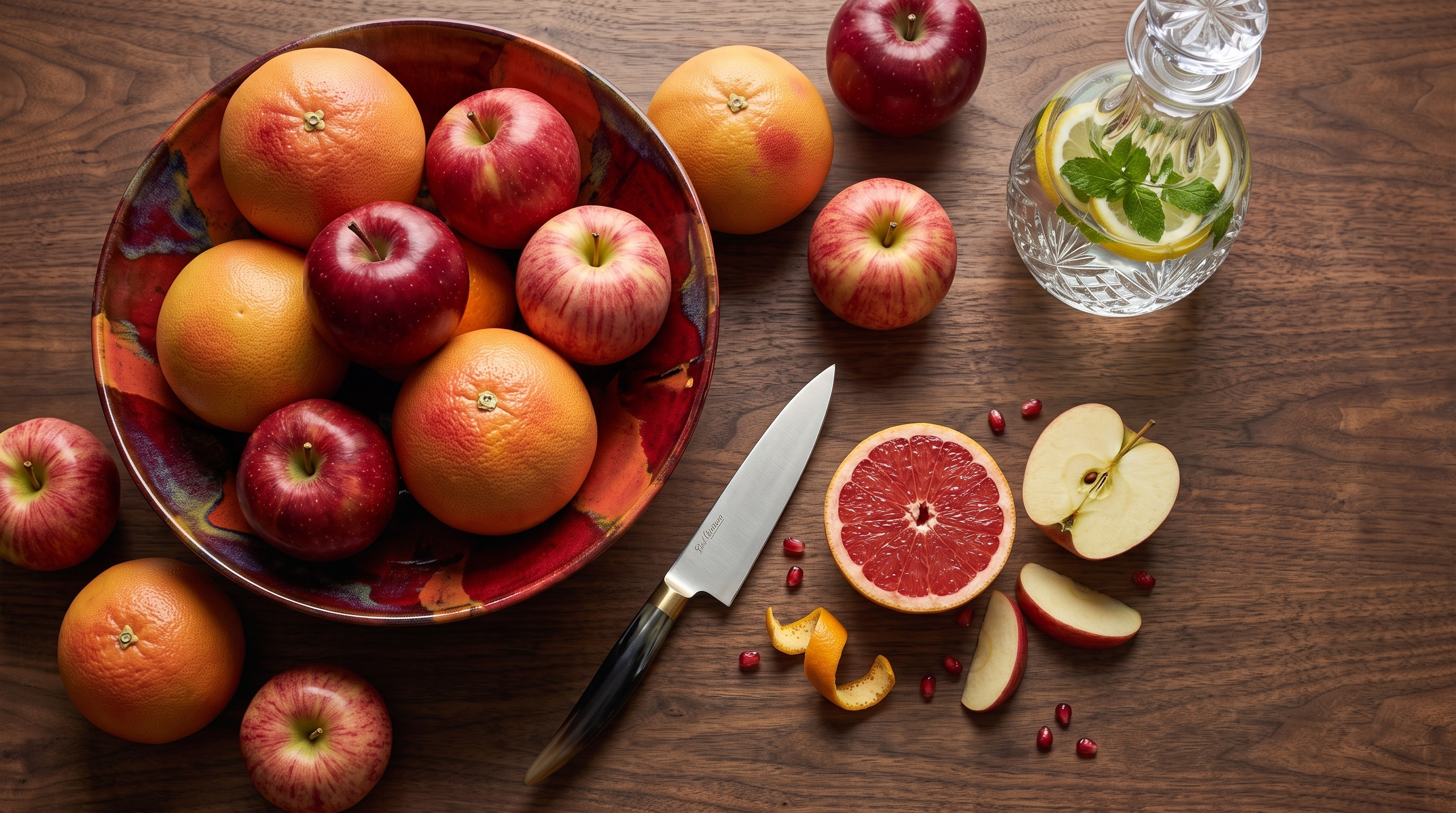
Consuming half a fresh grapefruit prior to a meal delivers substantial cellular hydration and dietary fiber for roughly 40 calories. Citrus bioflavonoids, particularly naringin, pair with natural acidity to stimulate oral and gastric digestive secretions, promoting early satiety without provoking rapid glycemic spikes.
2. Dark Leafy Greens (Pre-Meal Micro-Salads)
Starting a meal with a small salad of raw kale, spinach, or Swiss chard dressed lightly with olive oil and vinegar provides dense insoluble fiber and bioavailable magnesium. Chewing fibrous greens requires thorough mastication, initiating cephalic-phase digestion and slowing overall meal velocity.
3. Crisp Whole Apples (Soluble Pectin and Viscous Gelling)
Consuming a whole crisp apple 15 minutes before dining is one of the most thoroughly studied pre-loading interventions. Whole apples contain structural cell walls and high concentrations of soluble pectin, which forms a viscous gel in the stomach that extends gastric emptying and reduces overall caloric intake at the subsequent meal.
4. Clear Vegetable Broths and Soups
Initiating a meal with a warm, low-sodium broth loaded with non-starchy vegetables expands gastric volume quickly. Clinical trials demonstrate that consuming a low-energy-density soup prior to an entrée can reduce total meal energy consumption by up to 20% by inducing early fullness cues.
5. Large Non-Starchy Raw Vegetable Medleys
Pre-loading with raw crudités—including sliced cucumbers, celery sticks, and bell peppers—supplies high fluid content and cellular cellulose with negligible energy density. Chewing crisp raw vegetables stimulates oral sensory satiety, moderating appetite before heavier courses are served.
6. Fresh Whole Citrus (Peeled Oranges)
Consuming a whole fresh orange provides intact cellular fiber and citrus hesperidin alongside bioavailable vitamin C. Unlike commercial orange juice, which empties rapidly from the stomach, whole citrus fruit digests slowly, smoothing postprandial glucose curves.
7. Integrating Double Portions of Steamed Vegetables
If preparing a dedicated pre-meal course is impractical, apply volumetric principles directly to your primary plate by doubling the serving of steamed or roasted non-starchy vegetables (such as broccoli, cauliflower, or zucchini). Eating these fiber-rich elements before touching starches or fats moderates glucose absorption.
Key Principles for Effective Pre-Meal Loading
-
Avoid Caloric Condiment Traps: Keep starter salads and vegetable soups free from heavy cream bases, refined croutons, and high-sugar commercial dressings that add hundreds of unintended calories.
-
Observe a 15-to-20-Minute Window: Allow sufficient time between your pre-meal loading course and the main entrée for gut satiety hormones to communicate with the central nervous system.
-
Keep Energy Density Low: Select foods that deliver maximum physical volume and dietary fiber for under 100 to 150 calories.
When Behavioral Strategies Encounter Metabolic Hurdles
Utilizing evidence-based pre-meal loading provides an indispensable behavioral tool for managing mealtime portions. However, when persistent weight retention, stubborn visceral adiposity, or uncontrollable appetite signaling persist despite consistent mealtime mindfulness, deeper endocrine adaptations—such as clinical insulin resistance, leptin desensitization, or thyroid variations—may be resisting your efforts.
When behavioral adjustments reach a physiological plateau, clinical diagnostic evaluation provides actionable answers. Explore Nu Image Medical Weight Loss Programs to learn how comprehensive metabolic testing, licensed telehealth consultations, and medically supervised clinical protocols work synergistically to restore neuroendocrine balance and long-term metabolic health.
Disclaimer: This content is provided solely for educational and informational purposes and does not constitute medical advice, diagnosis, or treatment. It is not intended to replace personalized consultation with a licensed healthcare provider. Always consult your physician before initiating significant modifications to your diet, eating behaviors, or health regimen.
This article is for informational purposes only and does not constitute medical advice. The information contained herein is not a substitute for and should never be relied upon for professional medical advice. Always talk to your physician about the risks and benefits of any treatment. Nu Image Medical may not offer the medications or services mentioned in this article.
.webp)

.webp)
.webp)